01 / Creative guidance
Start with a specific need
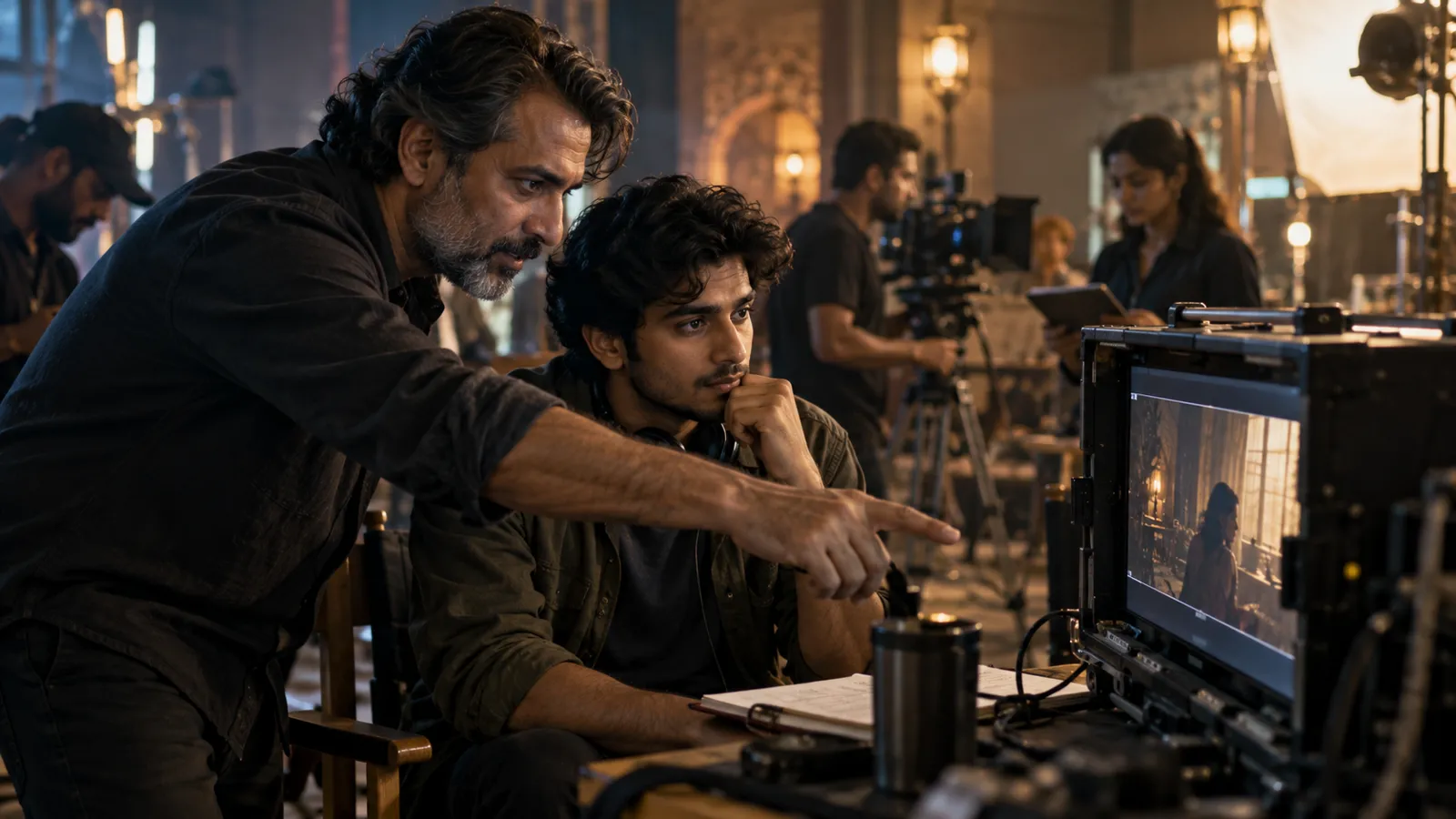
A mentoring conversation should have something concrete to work with: a scene, a sequence, a production question or a portfolio decision. Participants can explain what they are trying to achieve and where they feel uncertain. The planned framework treats mentorship as focused guidance, allowing the conversation to respond to an actual creative challenge rather than relying on broad motivational advice.
02 / Creative guidance
Prepare for useful feedback
A concise brief helps a mentor understand the work before discussing it. Identify the project stage, your role and two or three questions that matter now. During review, distinguish what a viewer experienced from the solution they suggest. Several responses may point to the same underlying problem without requiring the same fix. A developing filmmaker remains responsible for deciding which direction best serves the work.
03 / Creative guidance
Translate advice into practice
After a conversation, record the changes you intend to test and the reasons for testing them. A revision, camera exercise or new portfolio edit can make the learning visible. Any announced mentorship activity will define its facilitators, selection, format, boundaries and available contact time. Participation does not imply continuing access to a practitioner, representation or a production commitment beyond the terms of that specific opportunity.
Keeping the initial brief alongside the later revision can reveal whether feedback addressed the original difficulty. It also makes a subsequent conversation more specific, because the participant can show what they tested and what remains unresolved.