01 / The craft / Documentary
Find a question worth following
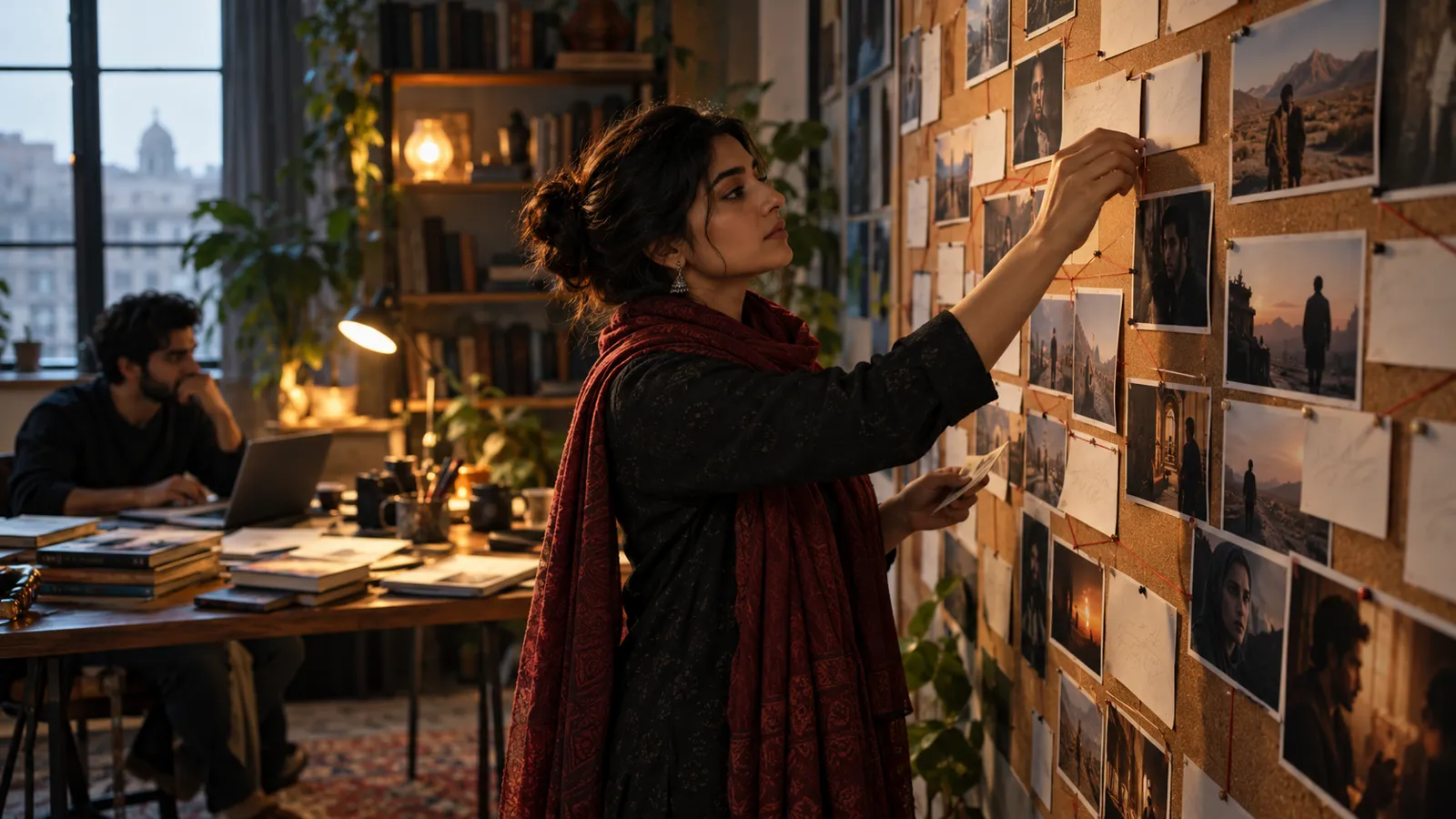
A documentary subject can become more compelling when approached through a question rather than a conclusion already decided. Research helps identify the people, circumstances and changes that may make the question visible. A filmmaker can prepare carefully while remaining open to what contradicts the initial idea. The work gains depth when real experience is allowed to complicate an easy narrative.
02 / The craft / Documentary
Build trust around the process
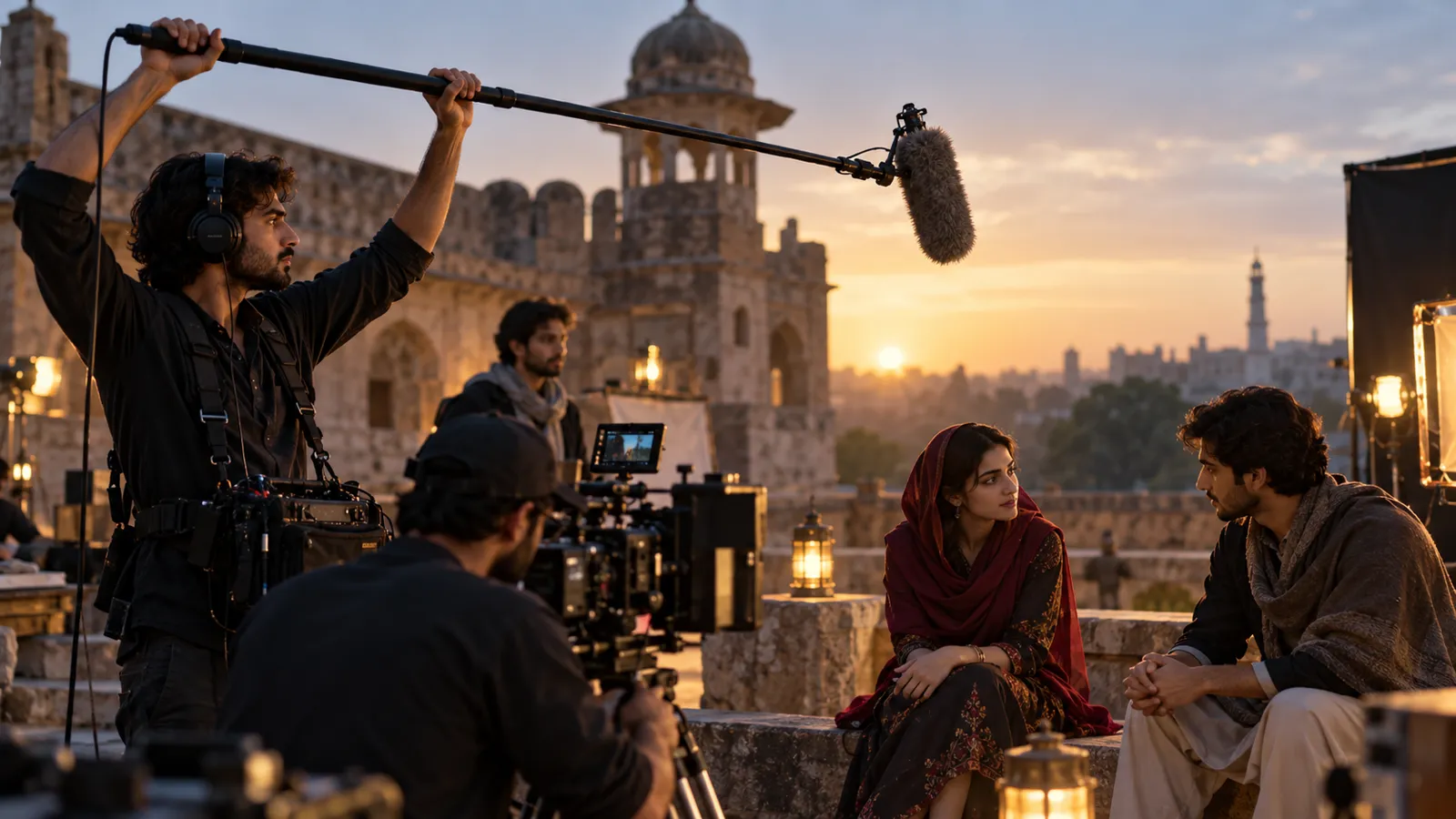
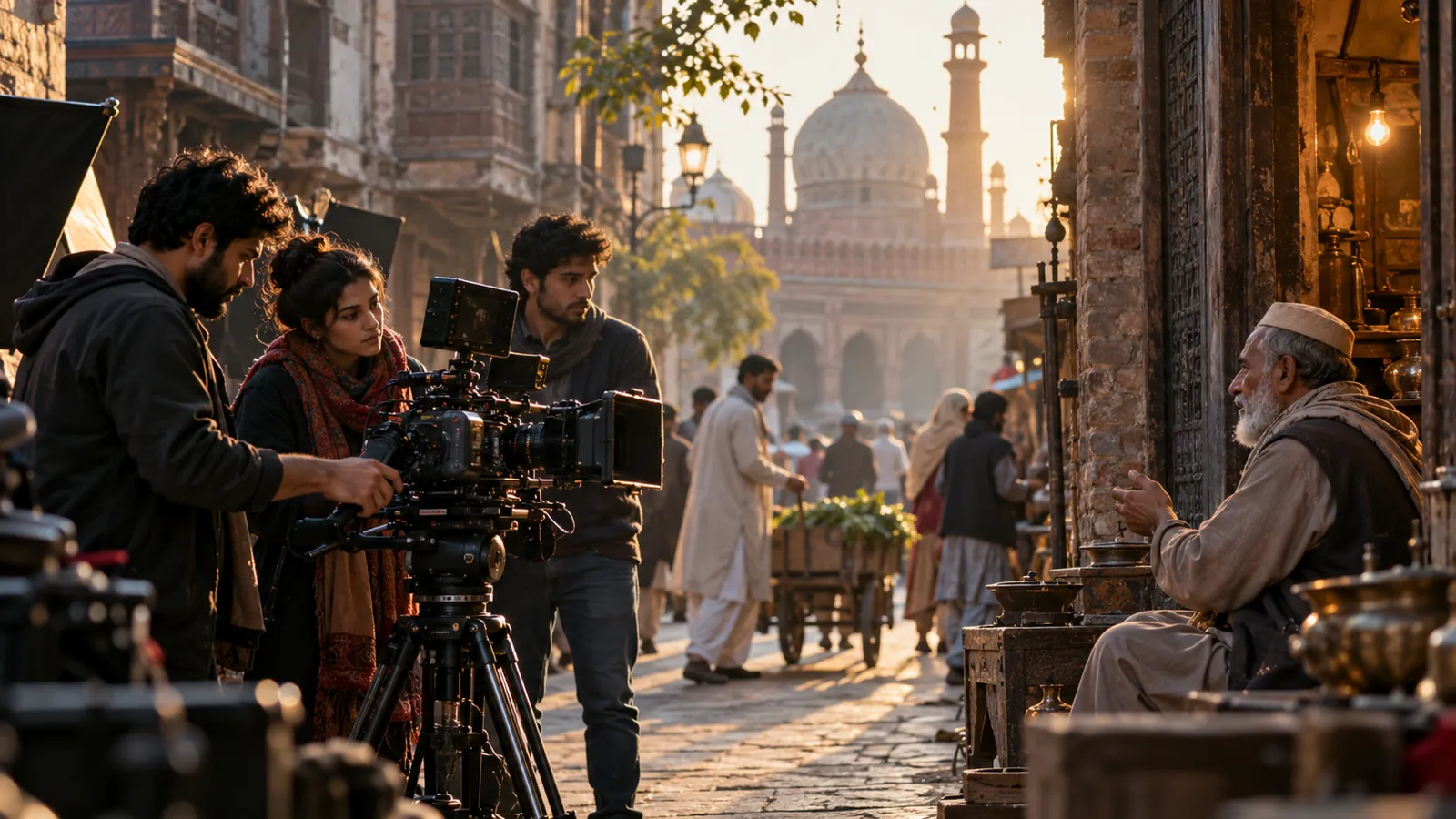
Participants should understand the nature of the project and the intended use of their contribution. Access is a relationship, not simply permission to enter a room with a camera. Consider the effects of filming, the privacy of others present and the differences in power between filmmaker and participant. These questions remain relevant during editing, when a person’s words and actions are placed within a larger argument.
03 / The craft / Documentary
Let observation inform the structure
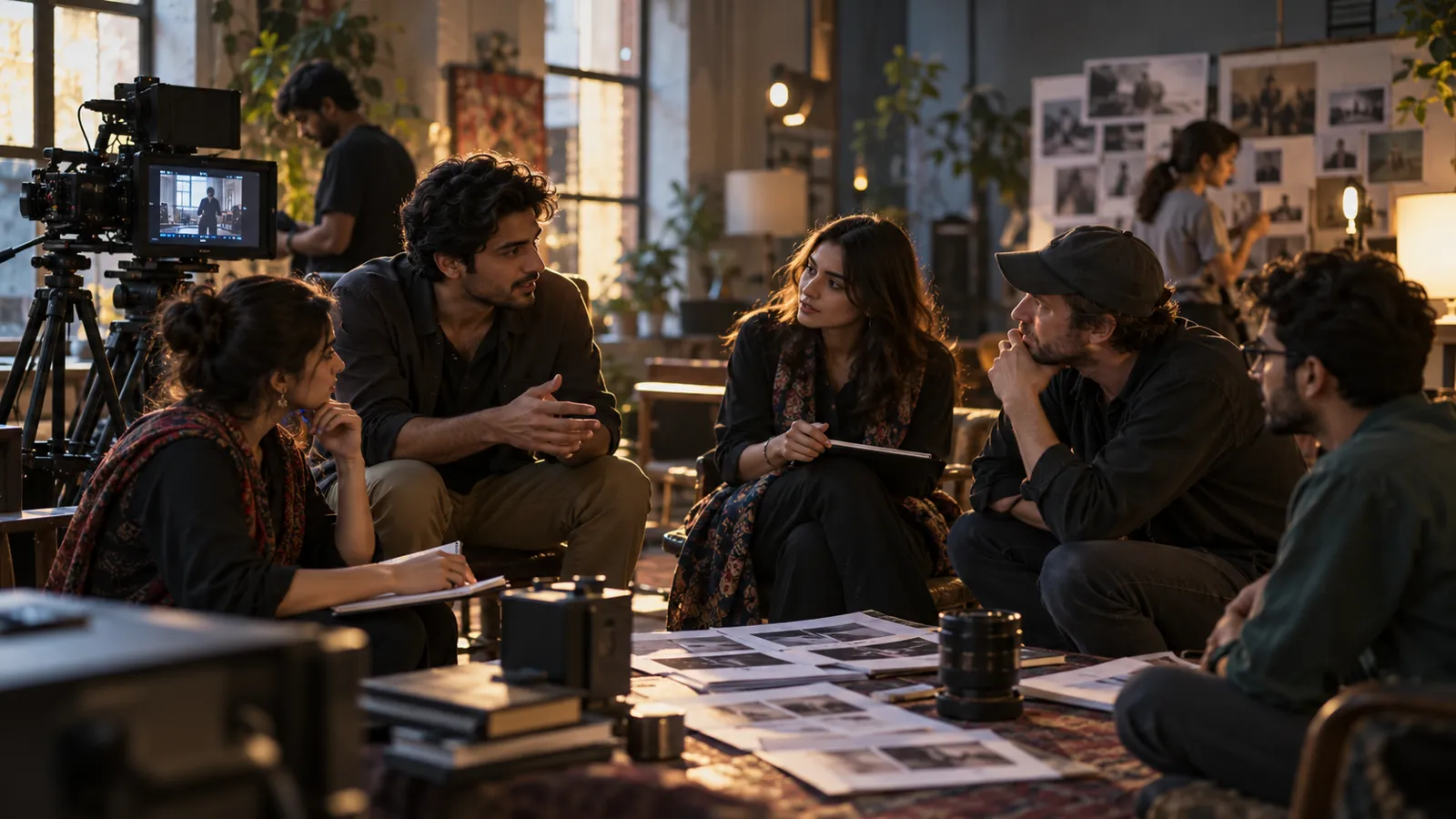
Interviews, scenes, sound and contextual material perform different storytelling tasks. A practical exercise might observe a routine without narration, then examine what the sequence communicates through action alone. Clear records of sources and permissions support the later process. L2H’s planned documentary exploration would connect form with responsibility, helping developing filmmakers pursue a distinct point of view while remaining accountable to the people and circumstances their films represent.
After an observation exercise, list what the footage demonstrates and what remains an assumption. The distinction can guide further research and help prevent narration or editing from making claims that the recorded material does not actually support.