01 / The craft / Sound
Discover the location with your ears
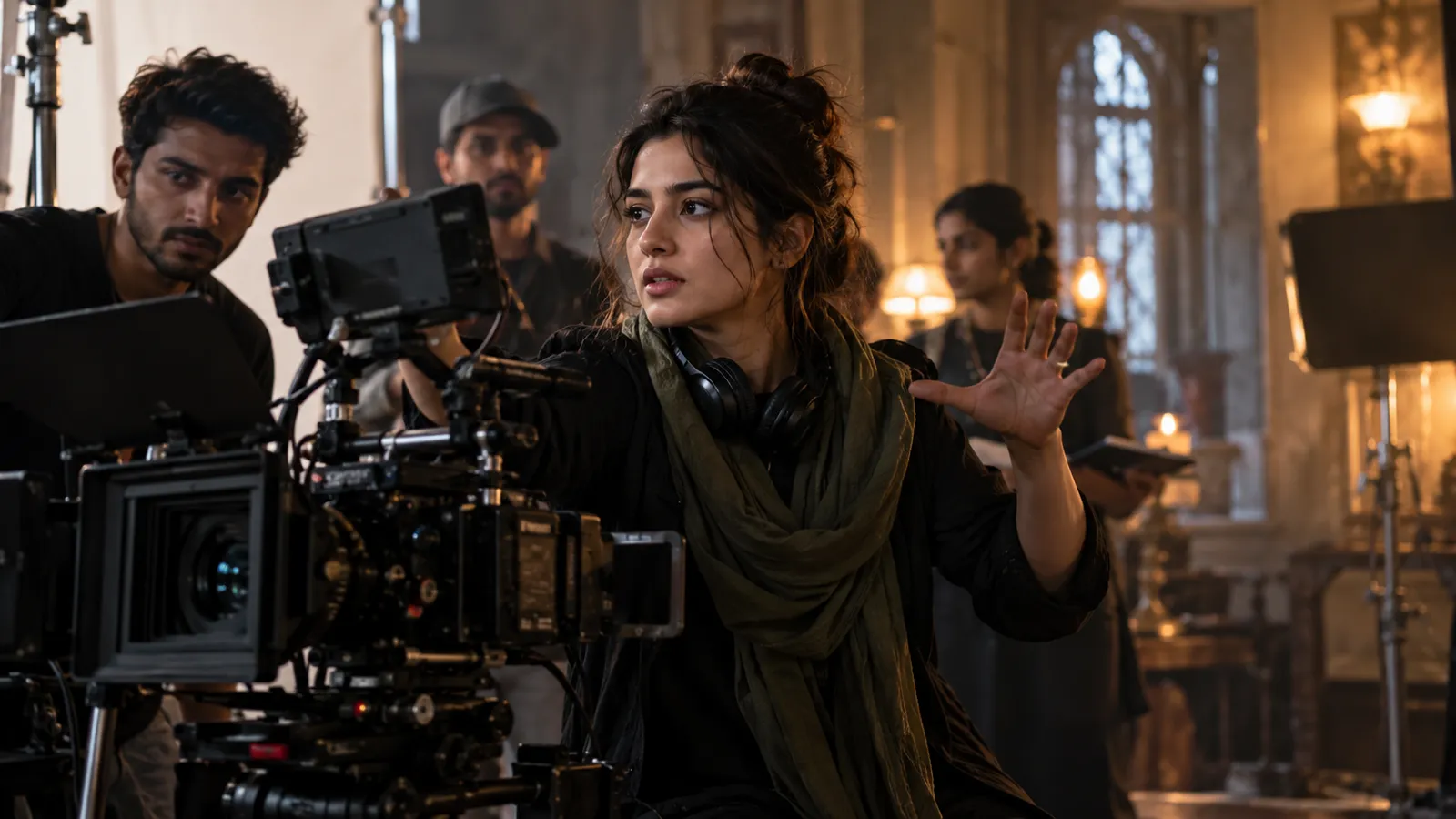
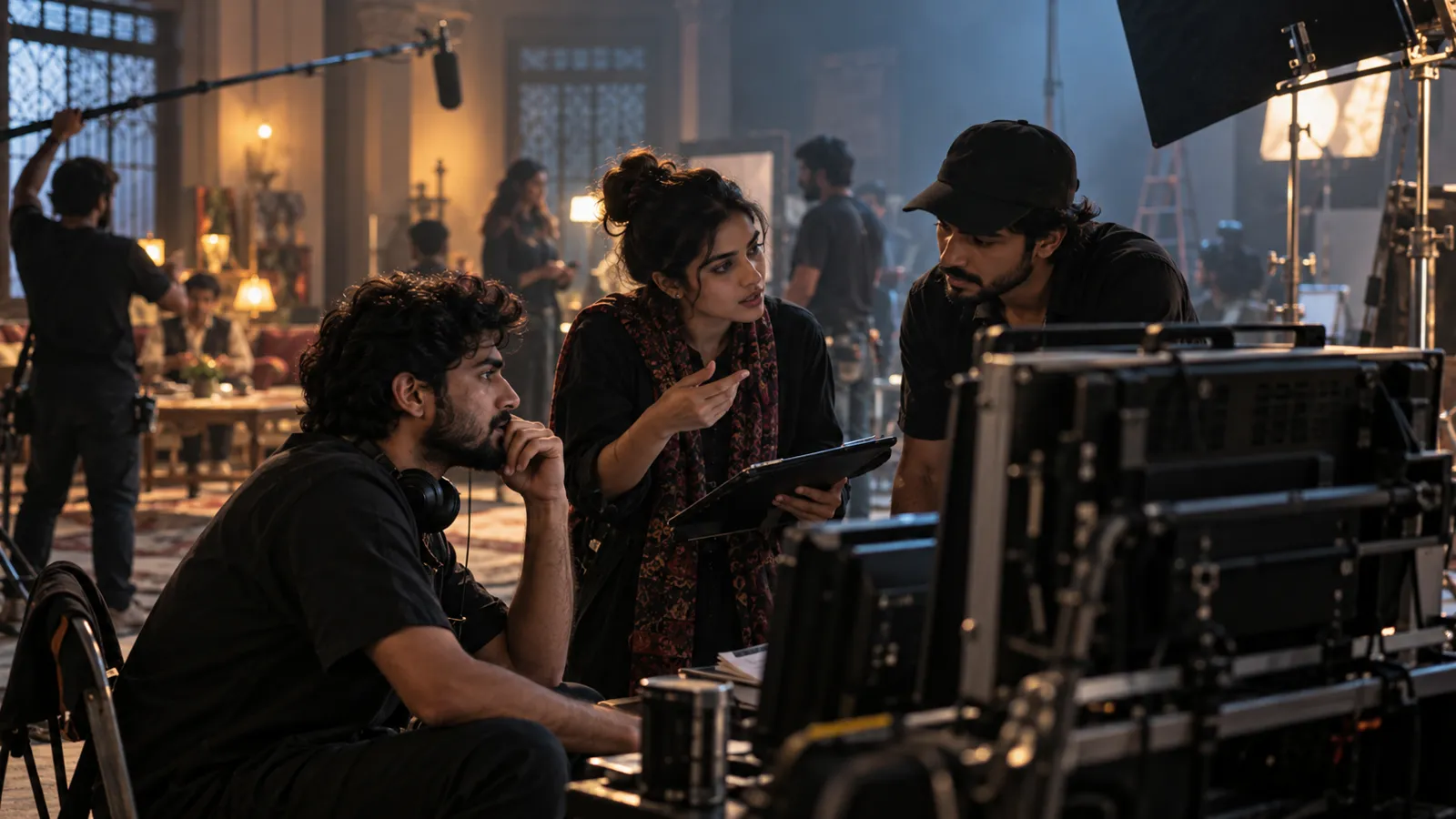
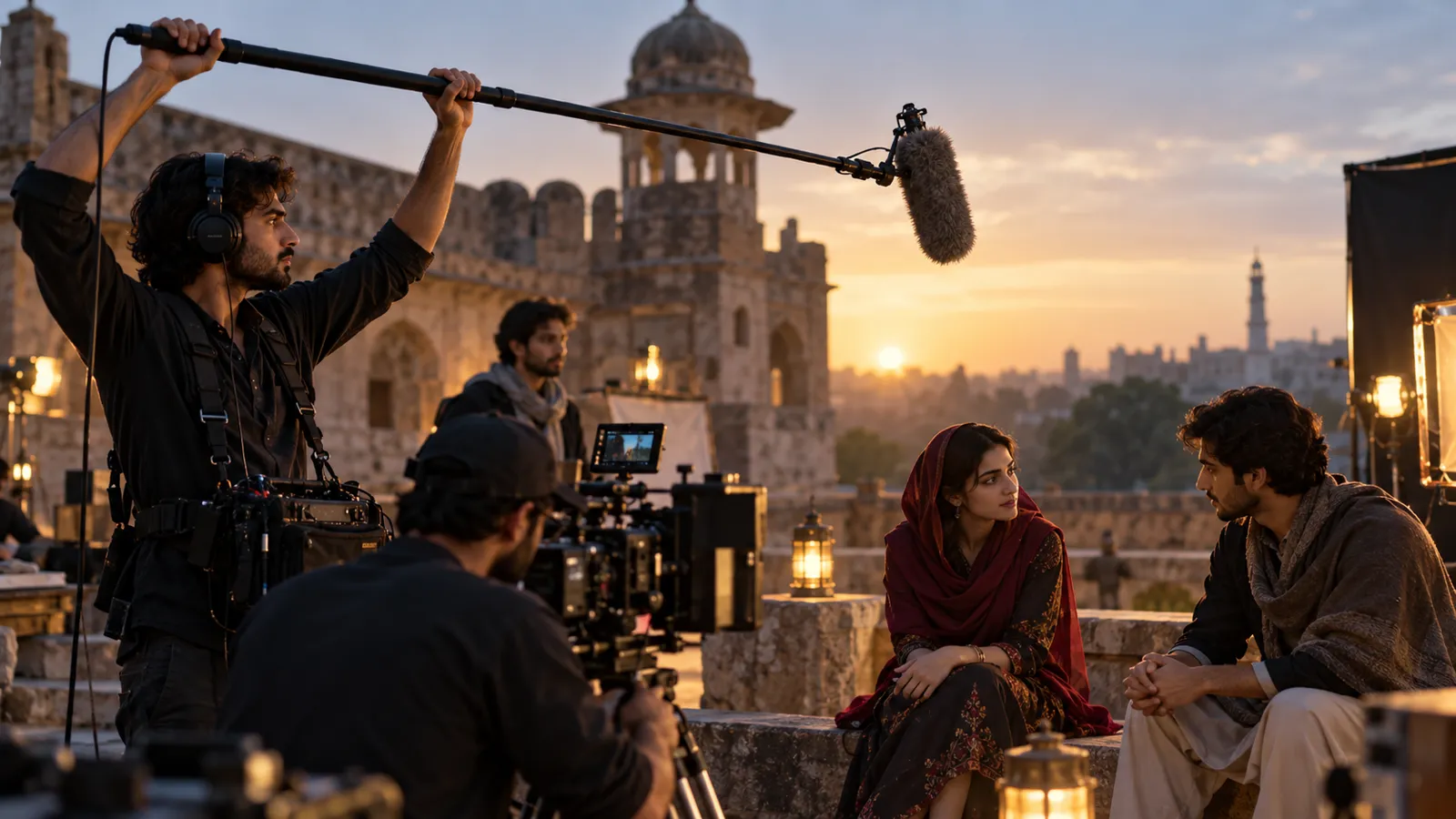
A room that looks ideal can carry traffic, ventilation, refrigeration or reflections that complicate recording. Listening during a location visit helps identify these conditions before the shoot. Consider whether noise changes with time and whether the scene’s blocking allows a microphone to remain close enough. Sound belongs in planning discussions rather than appearing only when a problem interrupts a take.
02 / The craft / Sound
Record with attention and consistency
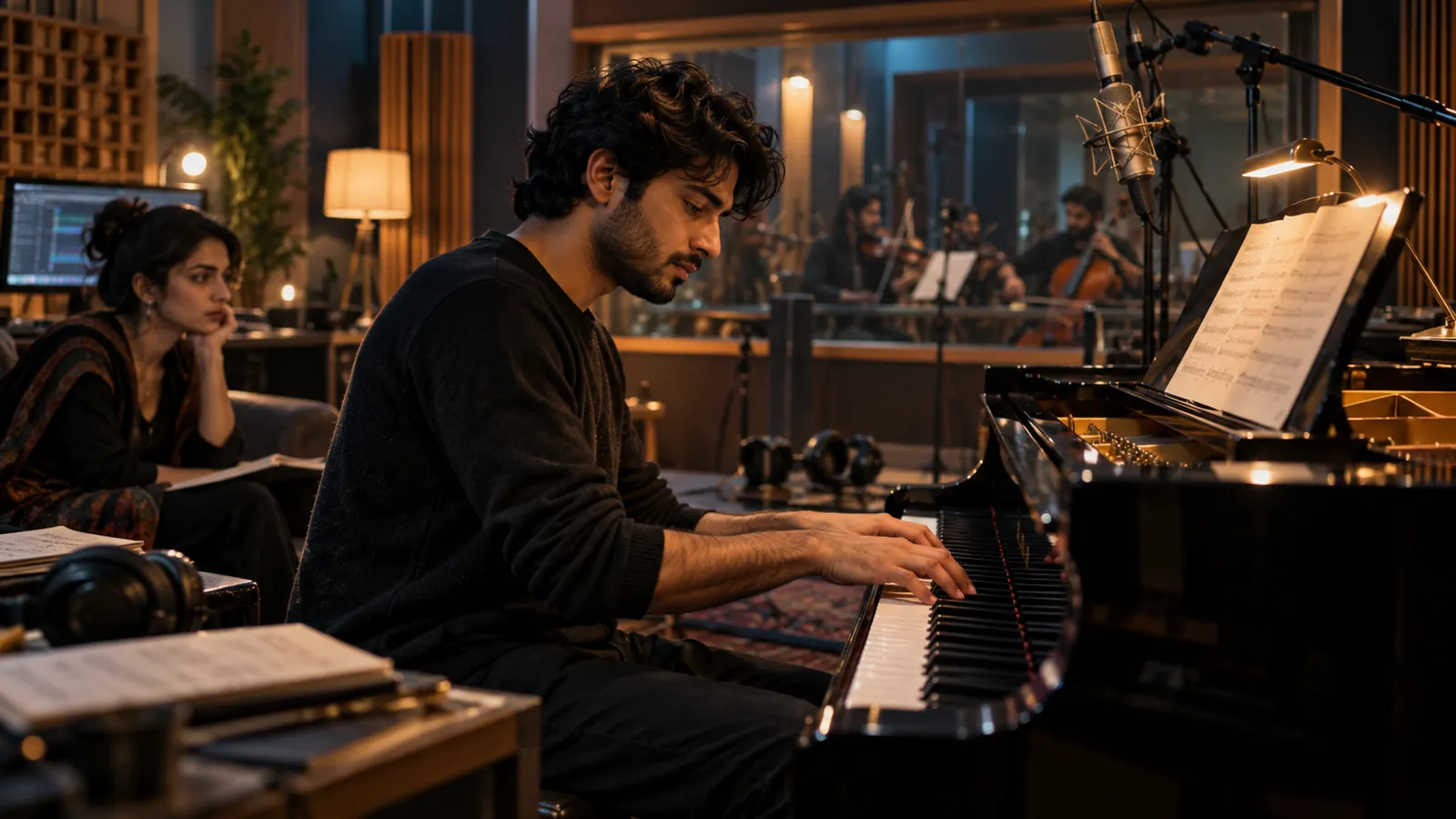
A practical exercise can compare microphone position and distance while keeping the performance consistent. Listen on appropriate headphones and note the relationship between intelligibility, room character and unwanted noise. Recording settings, levels and synchronization need a shared workflow. Where equipment and supervision permit, participants can practice a short dialogue setup, keeping useful notes about takes and any interruptions that may affect the edit.
03 / The craft / Sound
Leave post-production something to work with
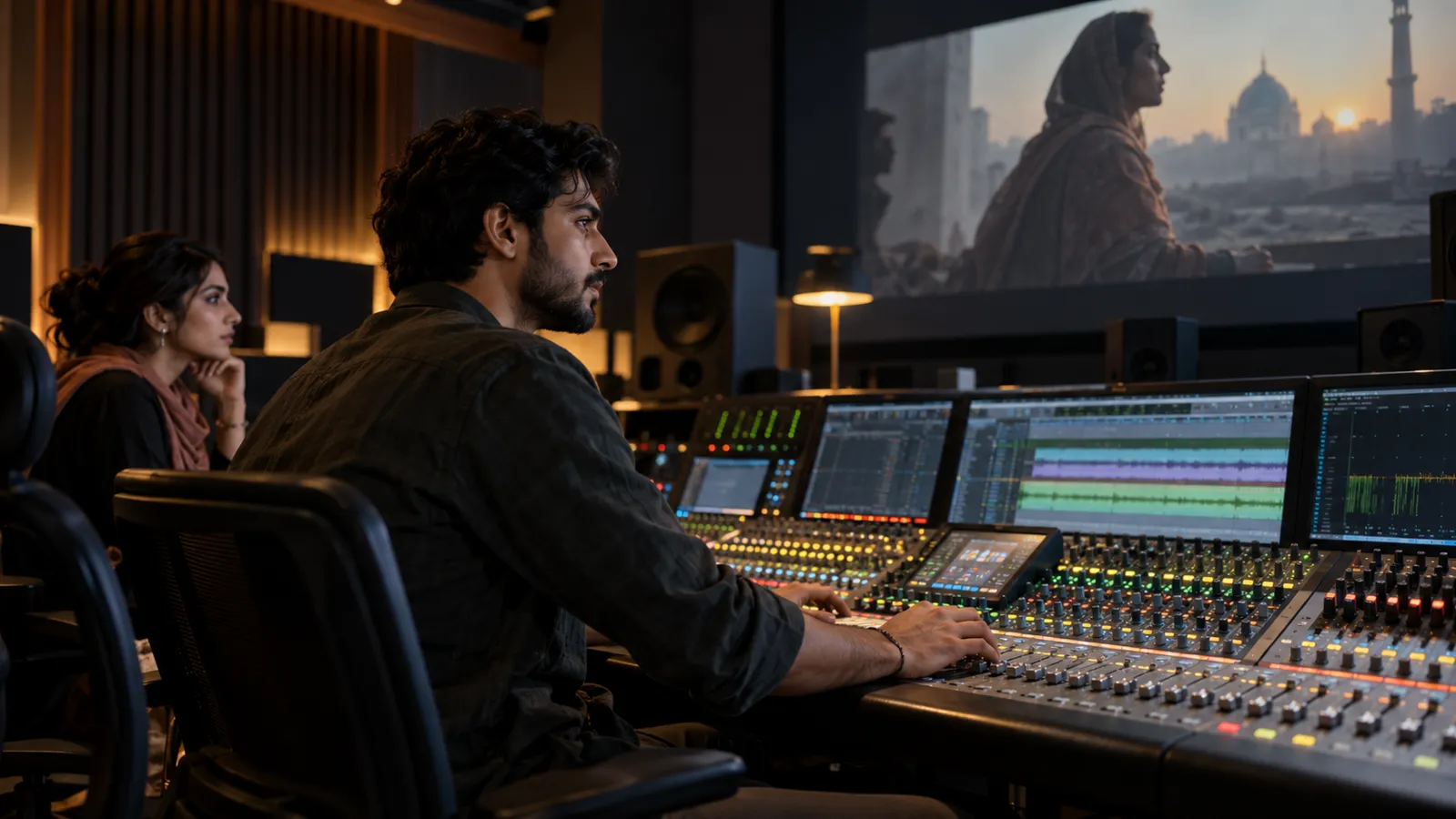
Room tone, relevant ambience and specific sound details can help maintain continuity and build the scene later. Files should be named and handed over in a way that connects them with the picture material. L2H’s planned sound learning focuses on the habit of active listening and the production decisions that protect it. Individual activities will specify resources; no particular recording kit is required by this general framework.
Try recording a brief conversation in two positions within the same space and compare the sound without looking at the image. This can reveal how much location and microphone placement influence the viewer’s sense of closeness.