01 / The process / Reflection
Decide what kind of conversation is useful
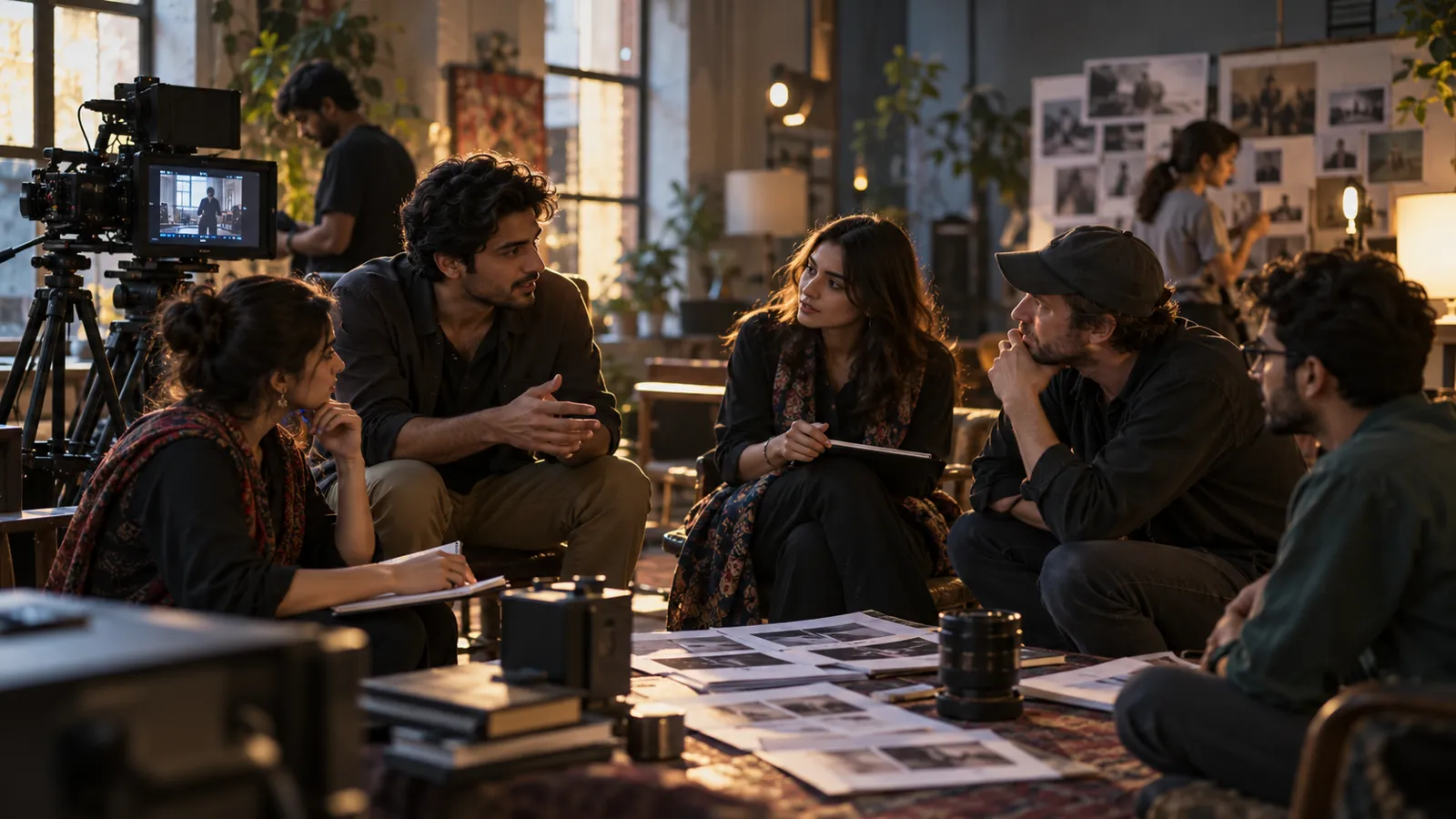
A work-in-progress review has a different purpose from a finished-film presentation. The team should identify whether it is testing story clarity, emotional movement, pacing or the overall experience. Viewers need enough context to respond usefully without being told what they are supposed to feel. A focused introduction and a small number of questions can create a more productive discussion.
02 / The process / Reflection
Listen for experience before solutions
Ask what viewers understood, when attention shifted and which moments remained with them. Their proposed changes can be considered, but the experience behind those suggestions is often the more useful information. A moderator can help keep the discussion specific and respectful. Makers should have room to listen without being required to defend every choice immediately or promise a revision during the conversation.
03 / The process / Reflection
Respect the work and decide what comes next
A screening requires suitable permissions, an understood audience and clarity about whether recording or further sharing is allowed. Afterward, the team can compare responses with its creative intention and choose what to investigate. L2H’s planned framework includes creative evaluation and dialogue; this page does not announce a festival selection or exhibition commitment. Any screening activity will define its format, participating work and viewing arrangements separately.
Keep feedback notes separate from the immediate revision list. Returning to them after some distance helps the team recognize repeated observations, distinguish taste from confusion and select changes that strengthen the film’s own purpose.