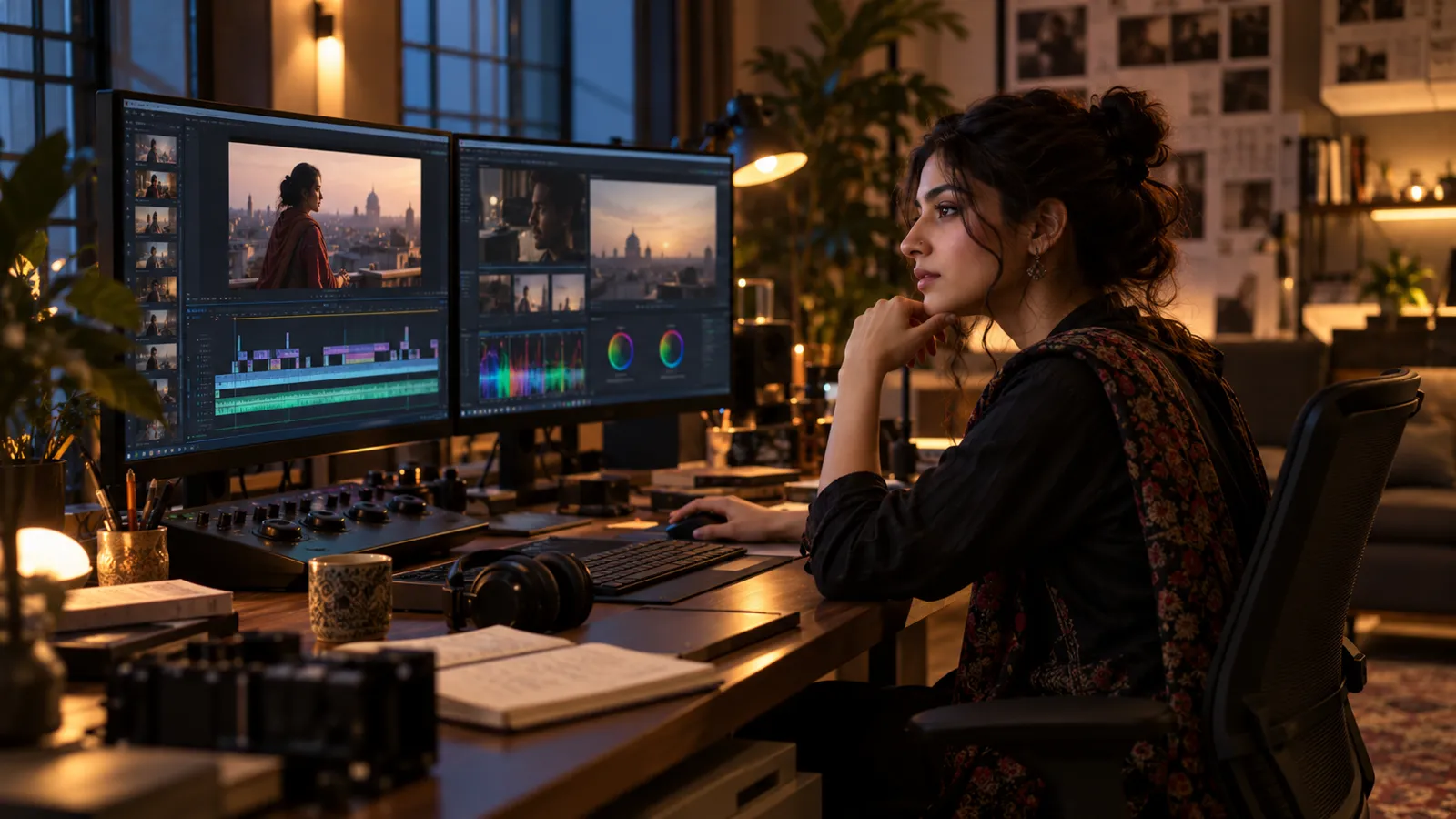
01 / The craft / Editing
Understand the material before imposing a rhythm
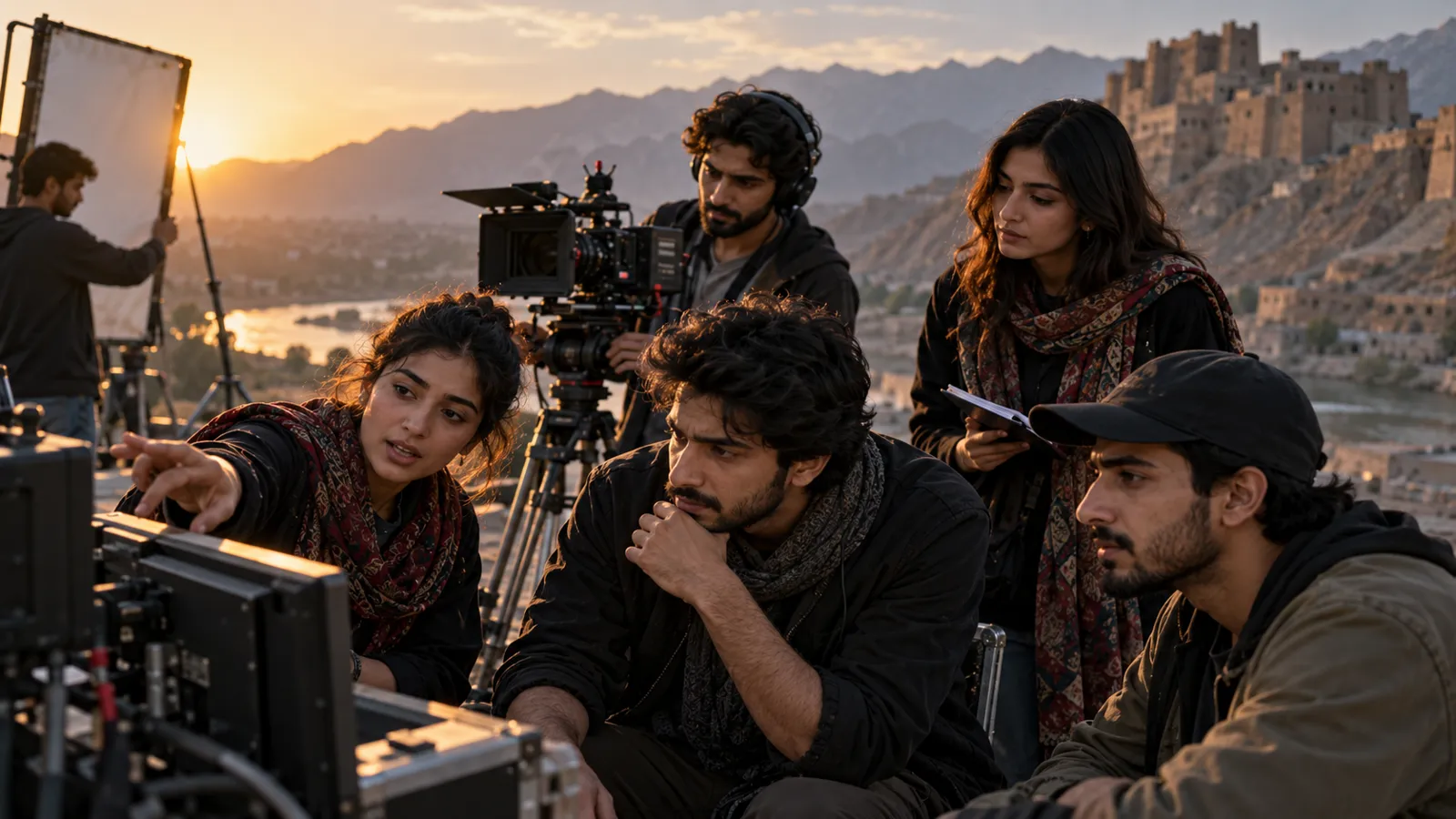
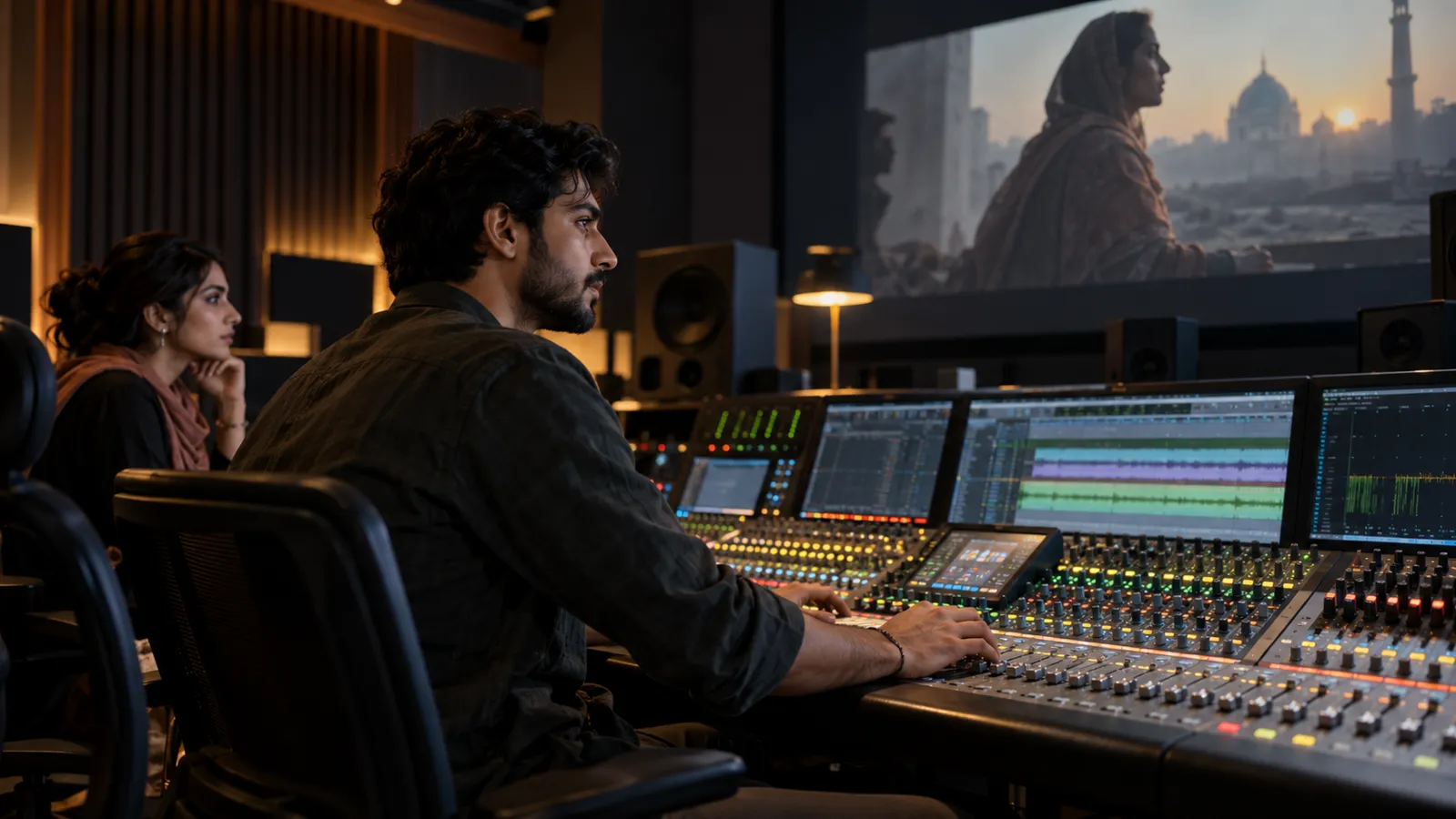
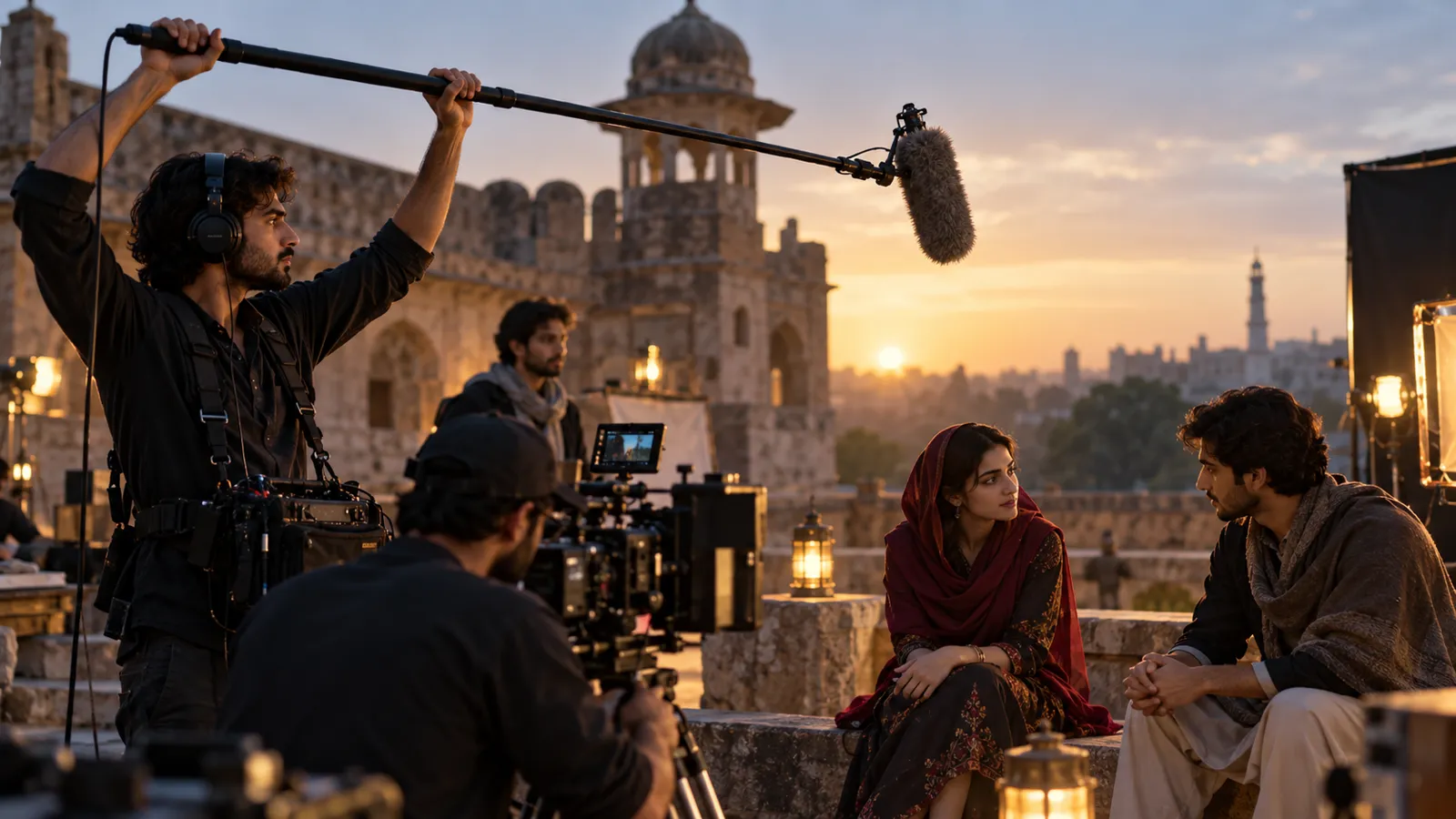
Watching and organizing footage is part of interpretation. A performance detail that seems small in isolation may become central when placed beside another shot. Note strong actions, reactions, sound moments and continuity limitations. Understanding what the material can offer allows an editor to respond to the film that was actually captured, while remaining in conversation with the original intention.
02 / The craft / Editing
Test the effect of an alternative
A practical editing exercise can build two versions of the same scene: one that favors anticipation and another that favors surprise. Compare the placement of reactions, the length of pauses and the use of sound before a cut. The purpose is to identify the audience experience created by a decision. Faster cutting does not automatically create greater tension, and a longer take does not automatically create depth.
03 / The craft / Editing
Review with a focused question
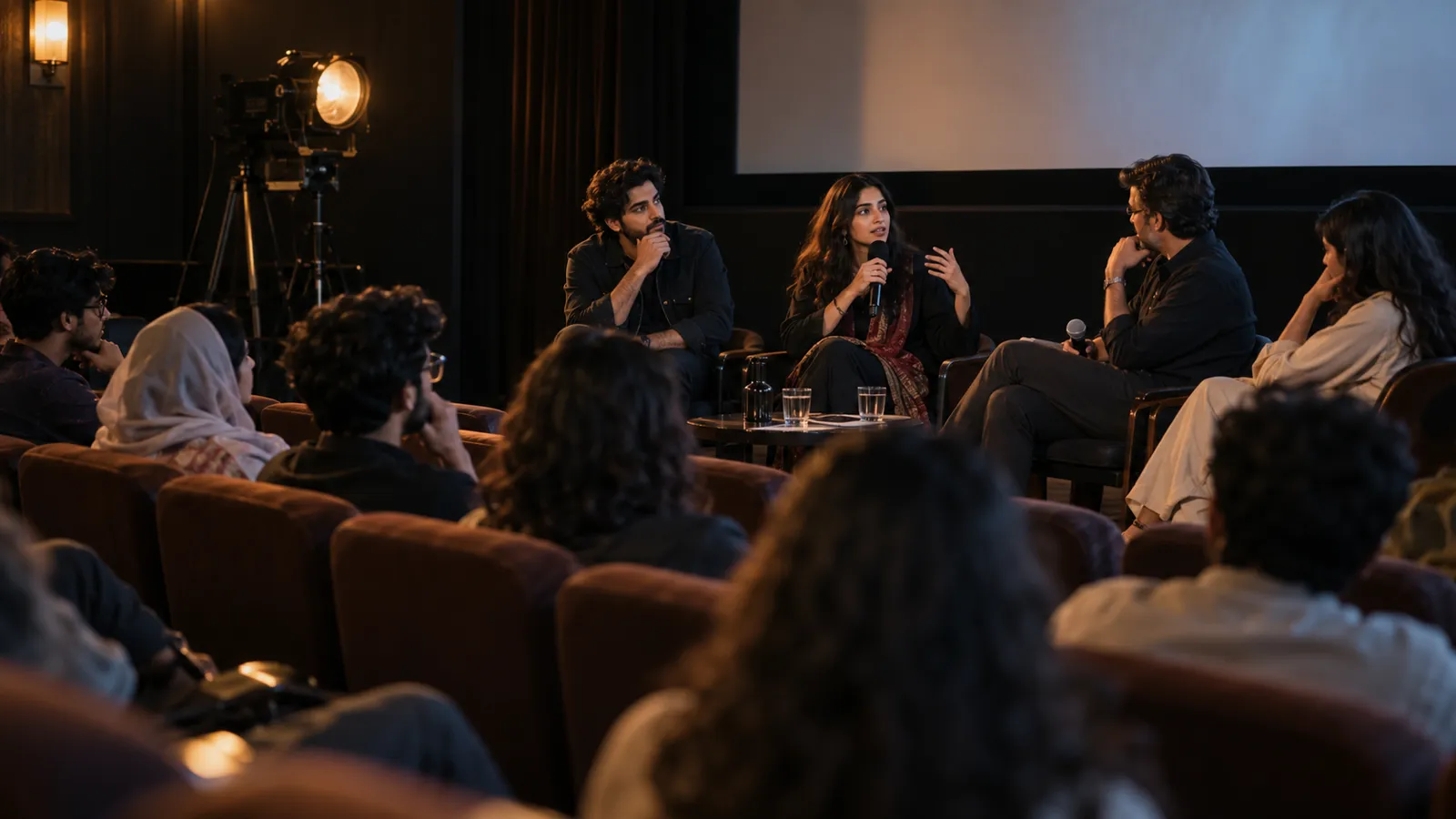
A screening becomes more useful when the editor knows what needs testing. Ask where attention changed, whether a relationship was understood or when a key piece of information became clear. Keep versions and record significant changes. Within L2H’s proposed learning framework, editing connects technical organization with critical viewing, giving developing filmmakers a way to refine both the sequence and their understanding of how it works.
When an edit feels unclear, temporarily remove nonessential material and test the simplest version of the scene. Reintroducing shots one at a time can reveal whether they contribute information, emotion or simply repeat something already understood.