01 / The craft / Image
Begin with the scene’s purpose
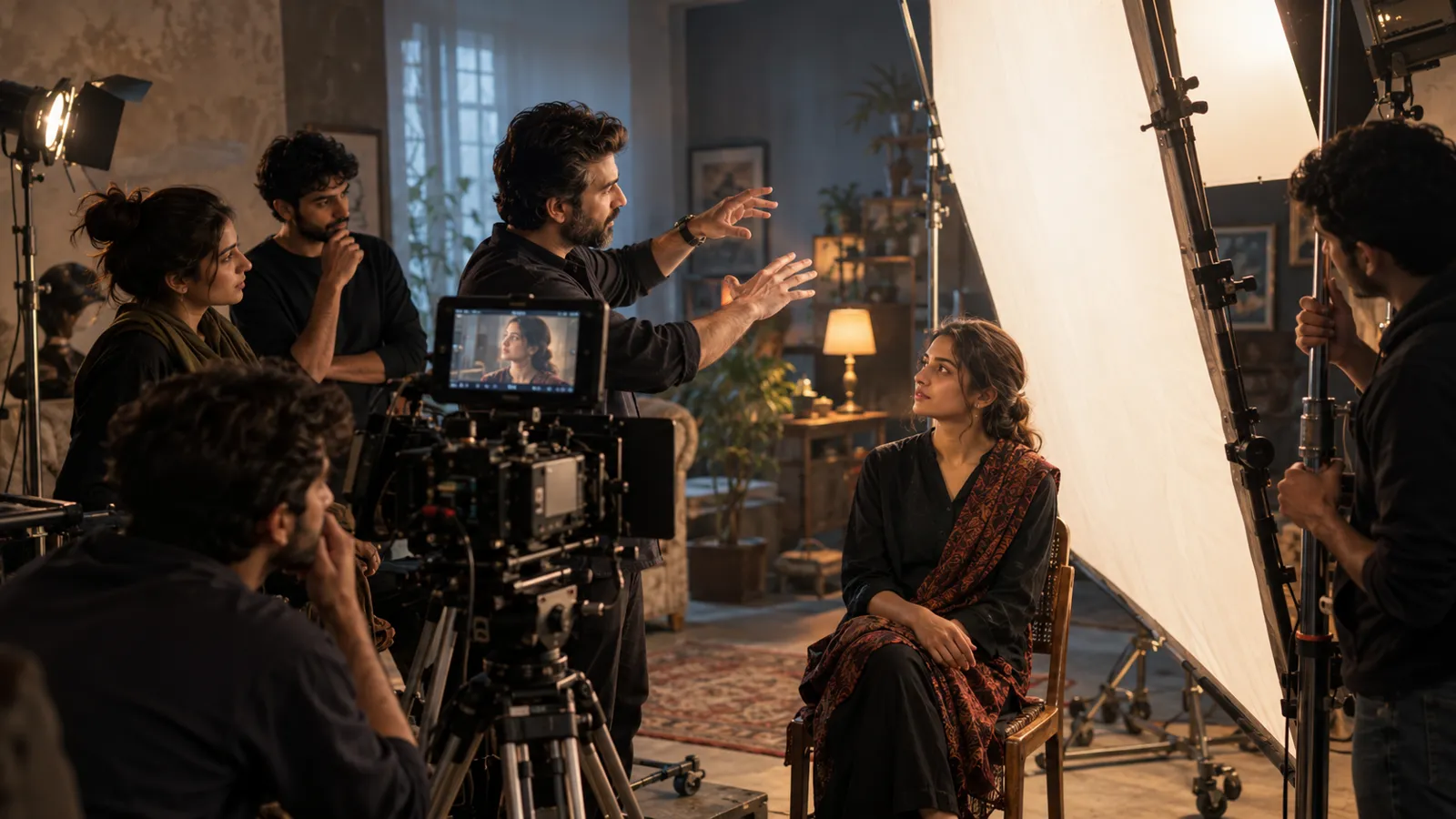
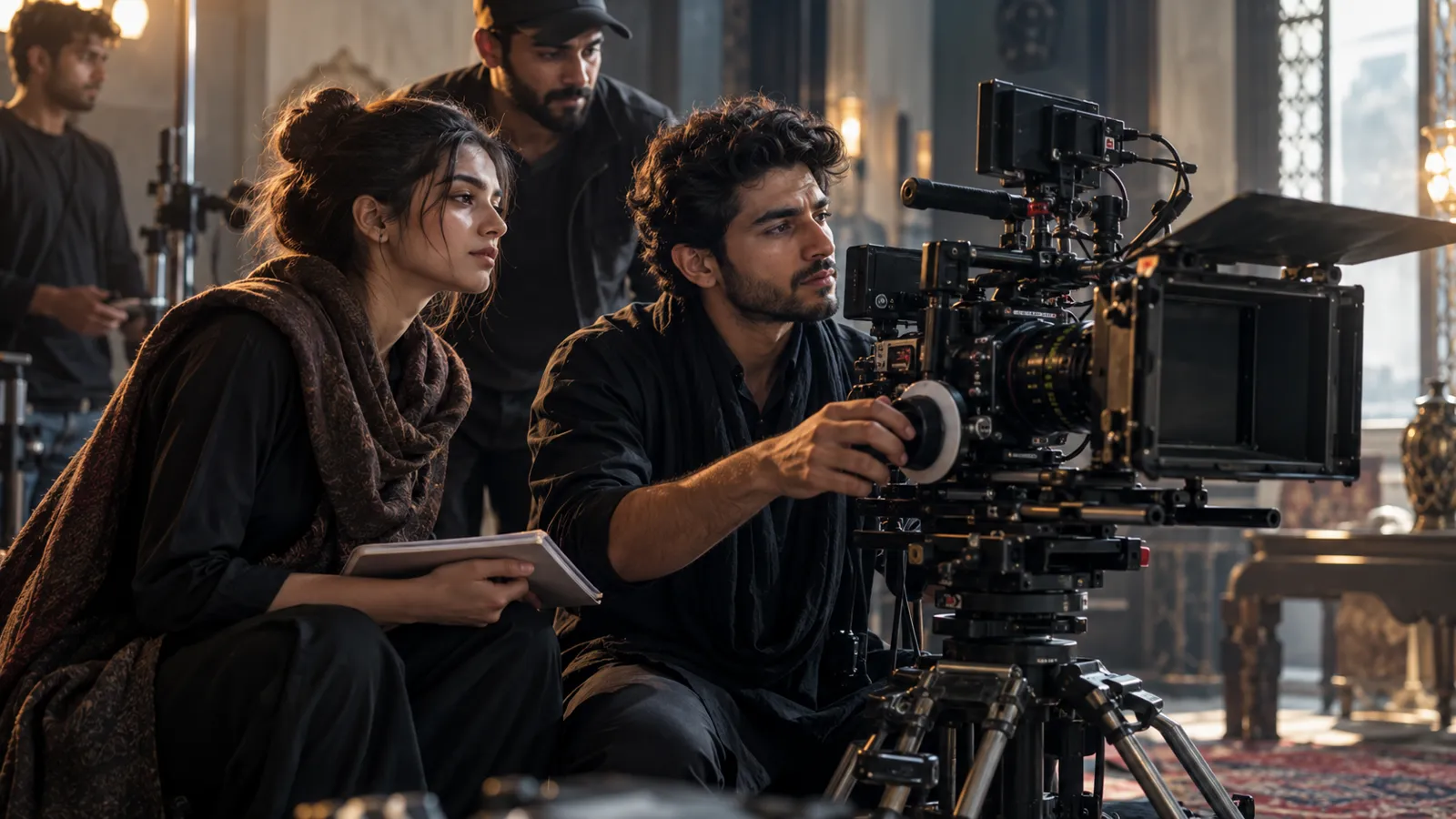
A beautiful frame is most useful when it belongs to the story. Before choosing equipment, discuss the scene’s emotional movement, perspective and practical conditions. Is the audience observing from a distance or sharing a character’s uncertainty? The answer can influence camera height, lens choice, contrast and movement. A simple intention gives the visual approach a basis for discussion with the director and production team.
02 / The craft / Image
Test relationships rather than isolated settings
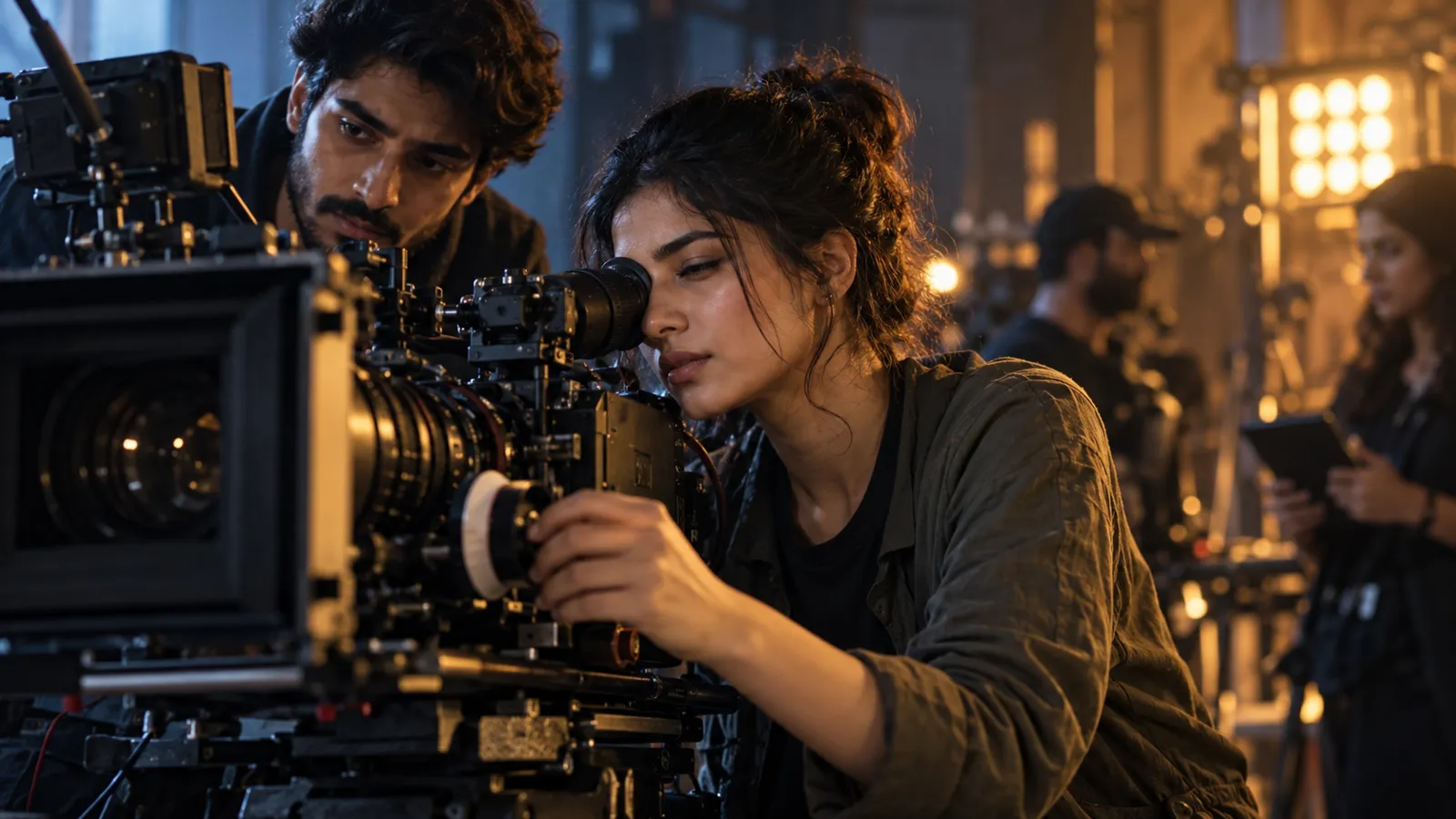
Lens, distance, blocking and background work together. A practical exercise might hold the subject size constant while changing lens and camera distance, then compare the relationship with the environment. Lighting tests can examine how face direction and background brightness affect attention. Record the conditions of each test so that observations can inform future decisions instead of becoming impressions that are difficult to reproduce.
03 / The craft / Image
Protect the image through the workflow
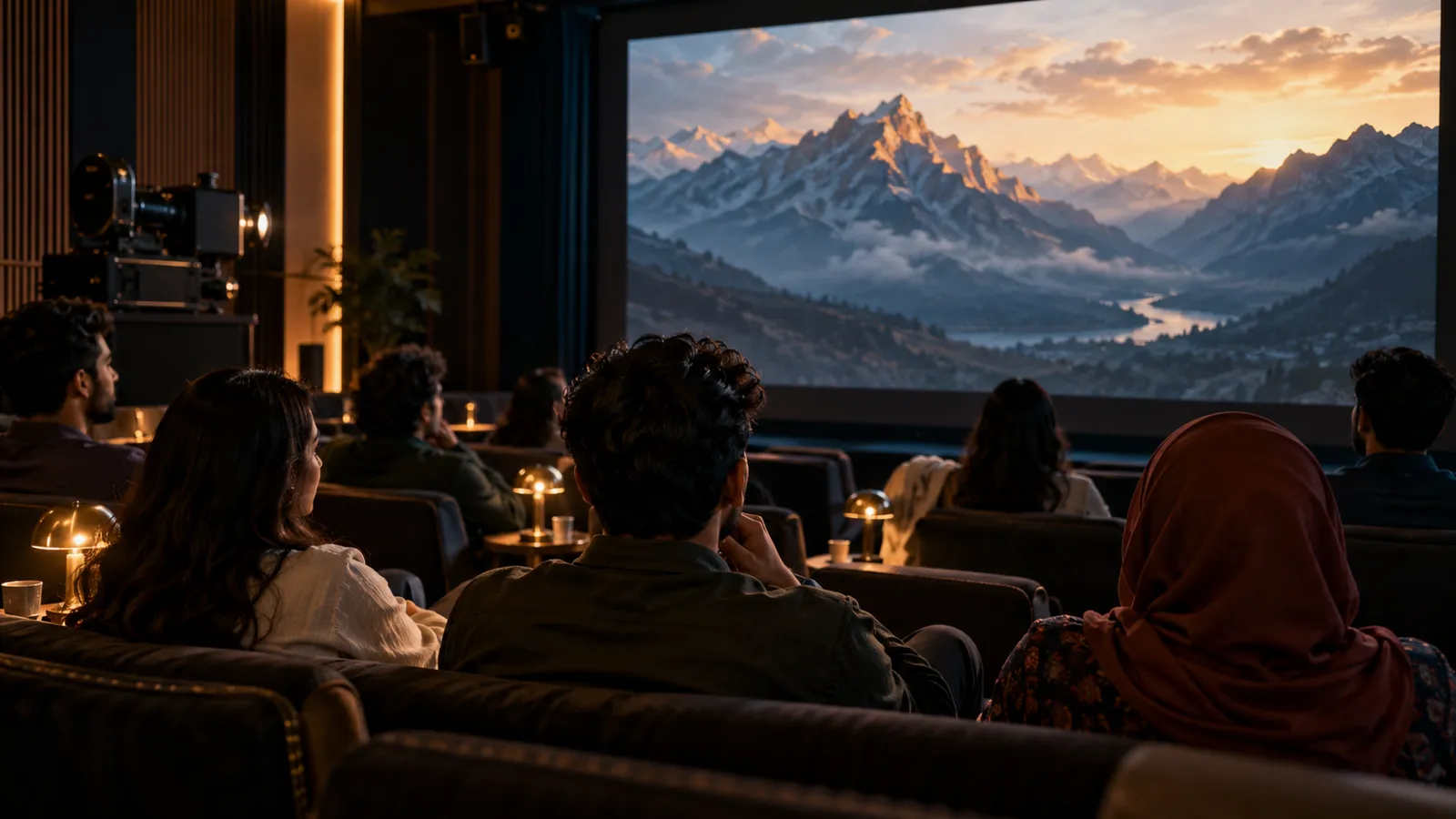
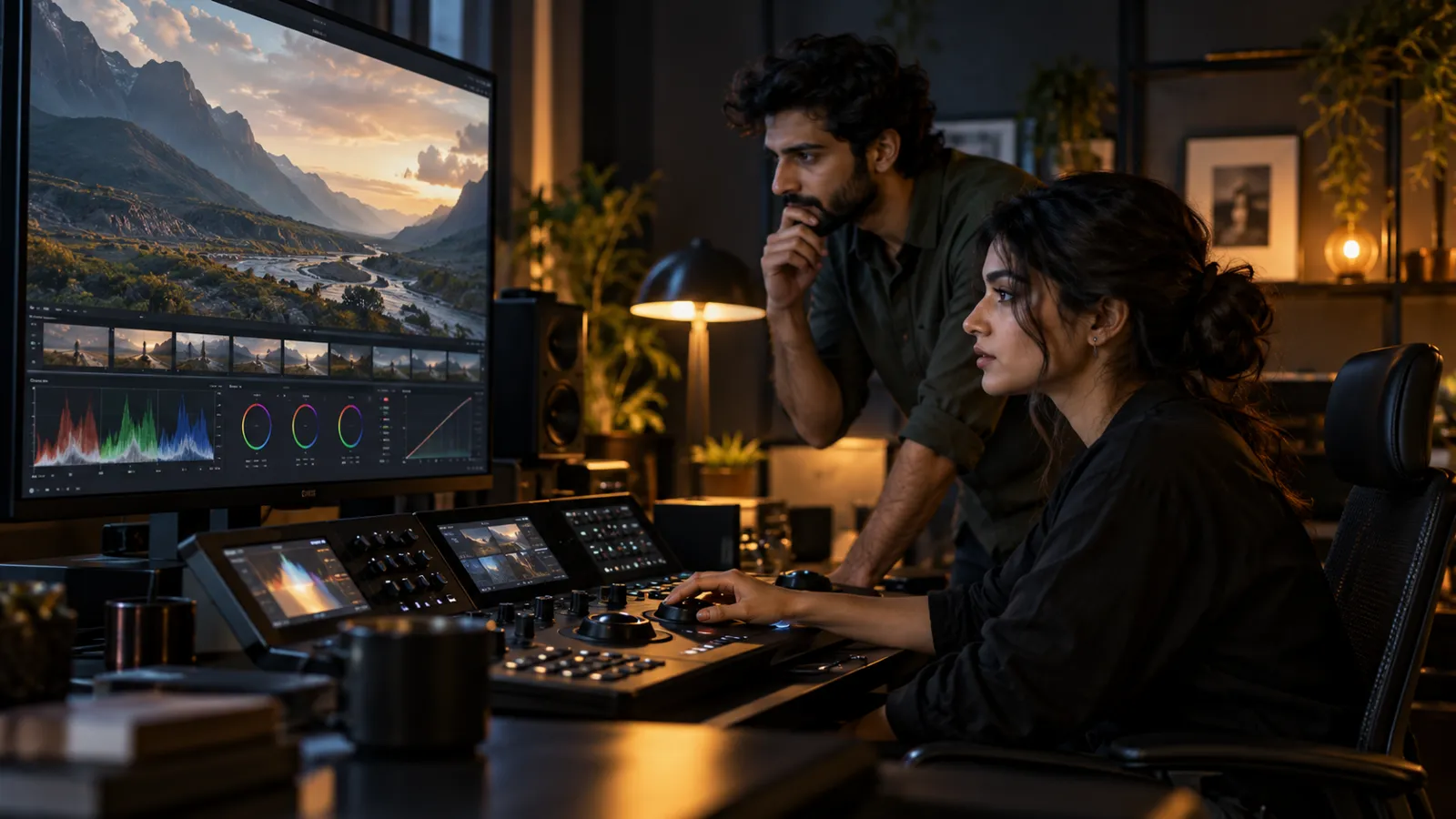
Exposure choices, monitoring and communication with post-production influence what can be achieved later. A camera test is also an opportunity to check recording settings, file handling and the intended viewing conditions. Planned L2H cinematography learning will be scoped around confirmed resources and facilitators. The continuing objective is visual literacy: knowing why an image works, how it was made and how it serves the larger sequence.
When reviewing test frames, include both a still image and the surrounding movement. A composition that appears convincing in isolation may work differently once the actor moves, the focus changes or the scene continues into another shot.