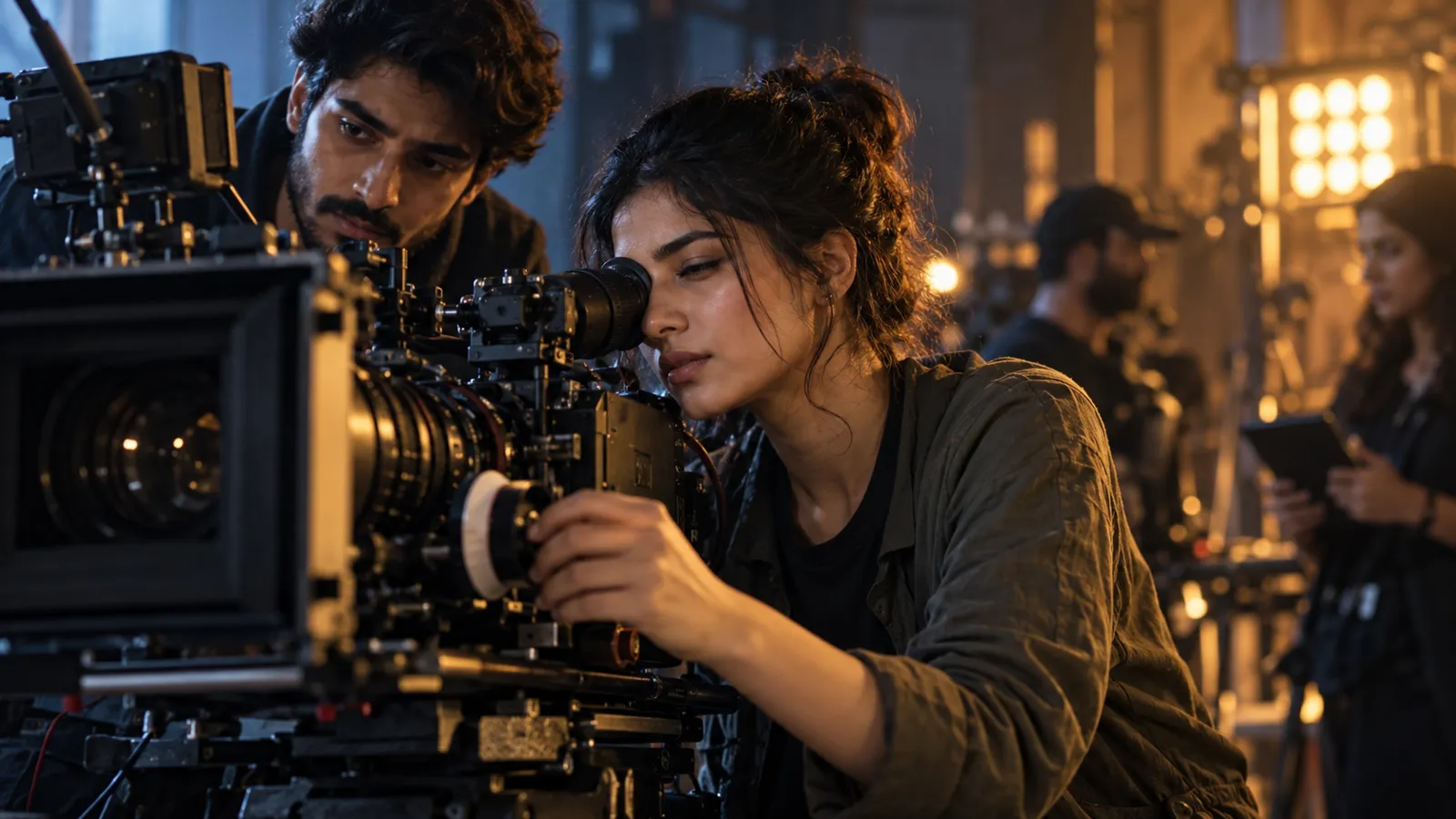
01 / The craft / Perspective
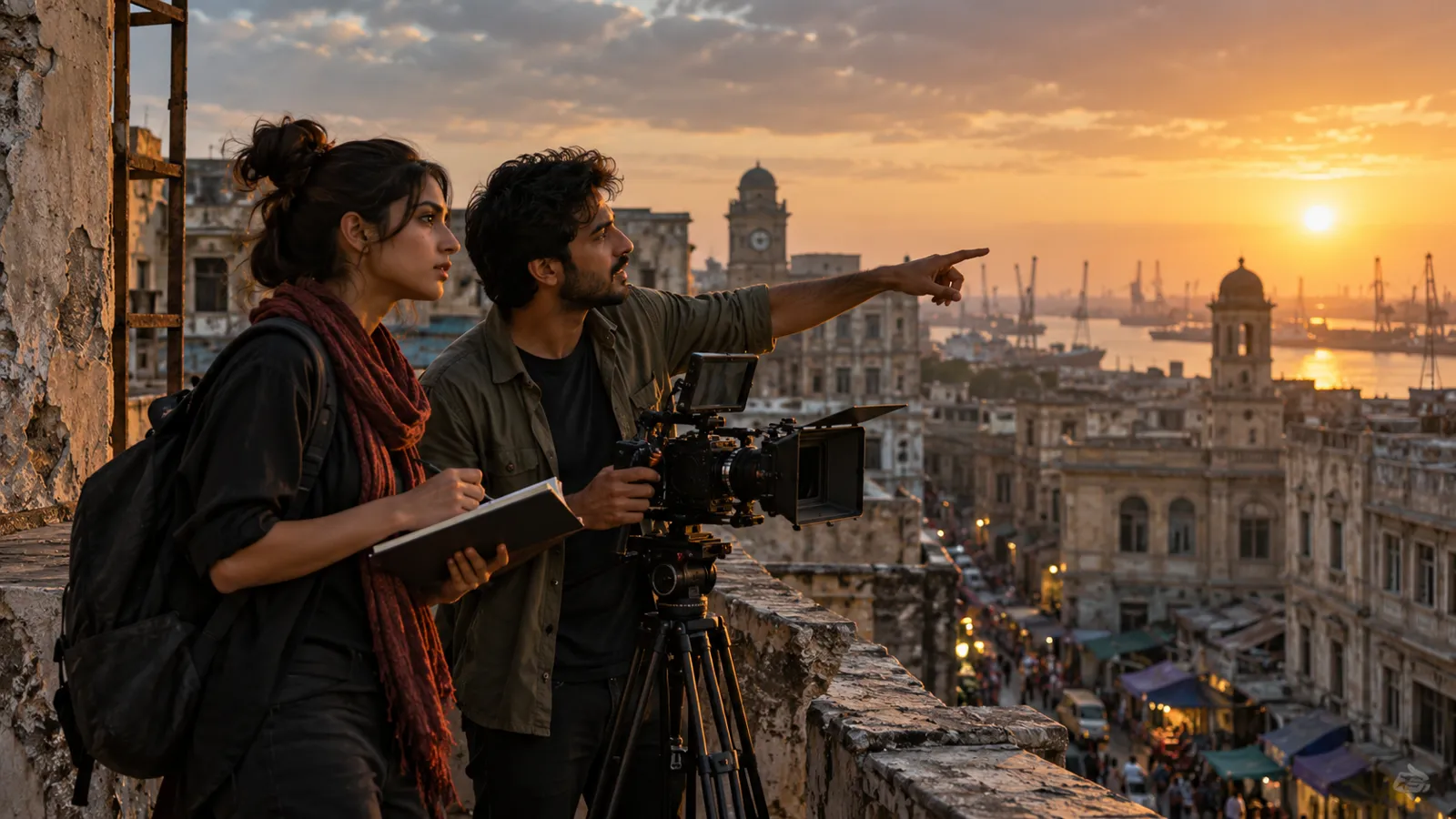
Choose what the viewer can know
A frame includes information and leaves other information outside it. A close view can reveal a small reaction while hiding its cause; a wide view can let the audience notice a relationship before a character does. Think about the moment at which information becomes available. The question is not simply which shot size looks strongest, but what the viewer needs to experience now.
02 / The craft / Perspective
Connect movement with motivation
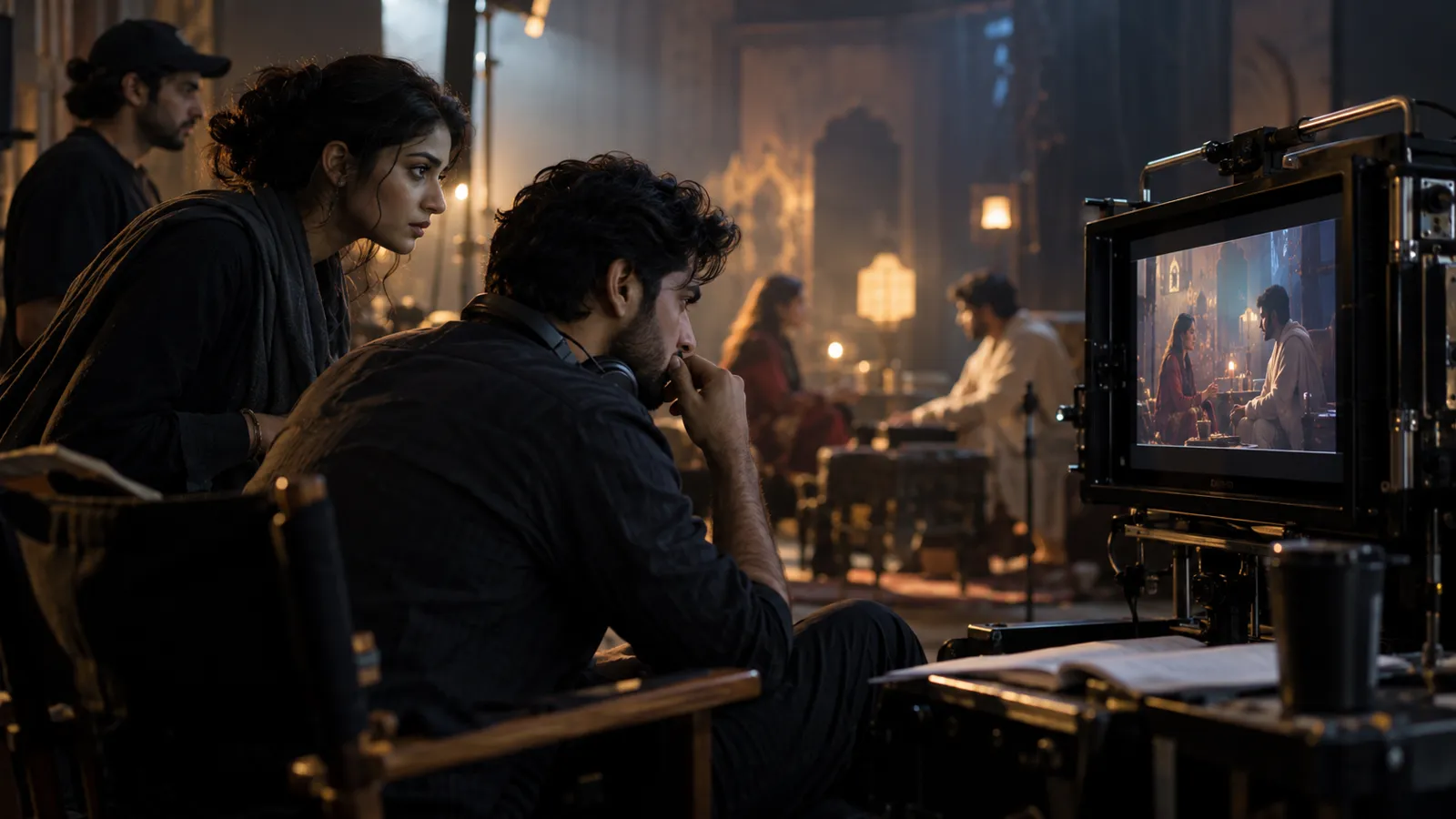
A moving camera can follow action, reveal a space or change emotional distance. It can also distract when movement has no clear relationship to the scene. An exercise might film a short action once with a fixed frame and once with a motivated move. Comparing the versions helps identify whether movement contributes discovery, rhythm or perspective that the static approach does not provide.
03 / The craft / Perspective
Design coverage for an edit
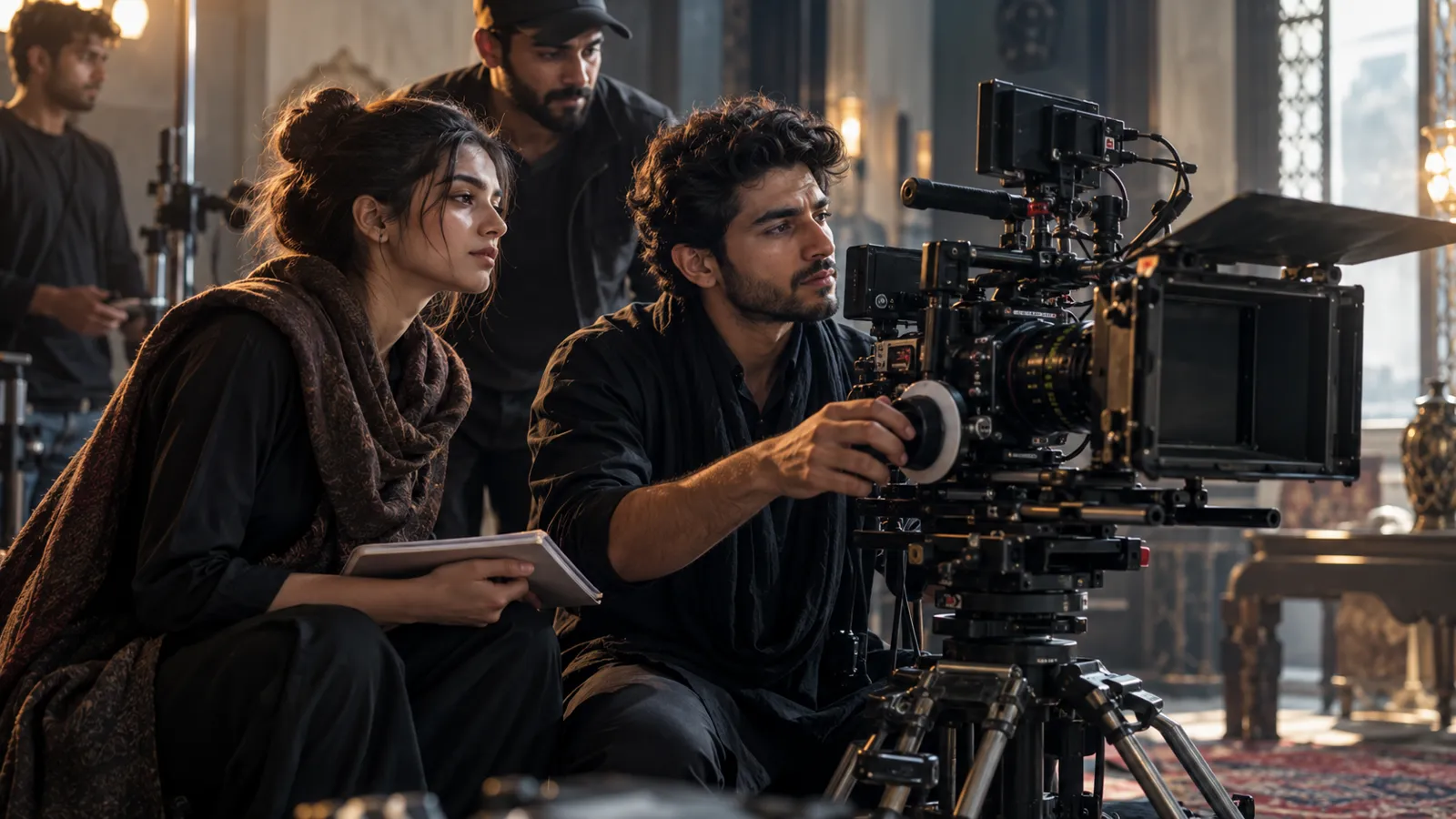
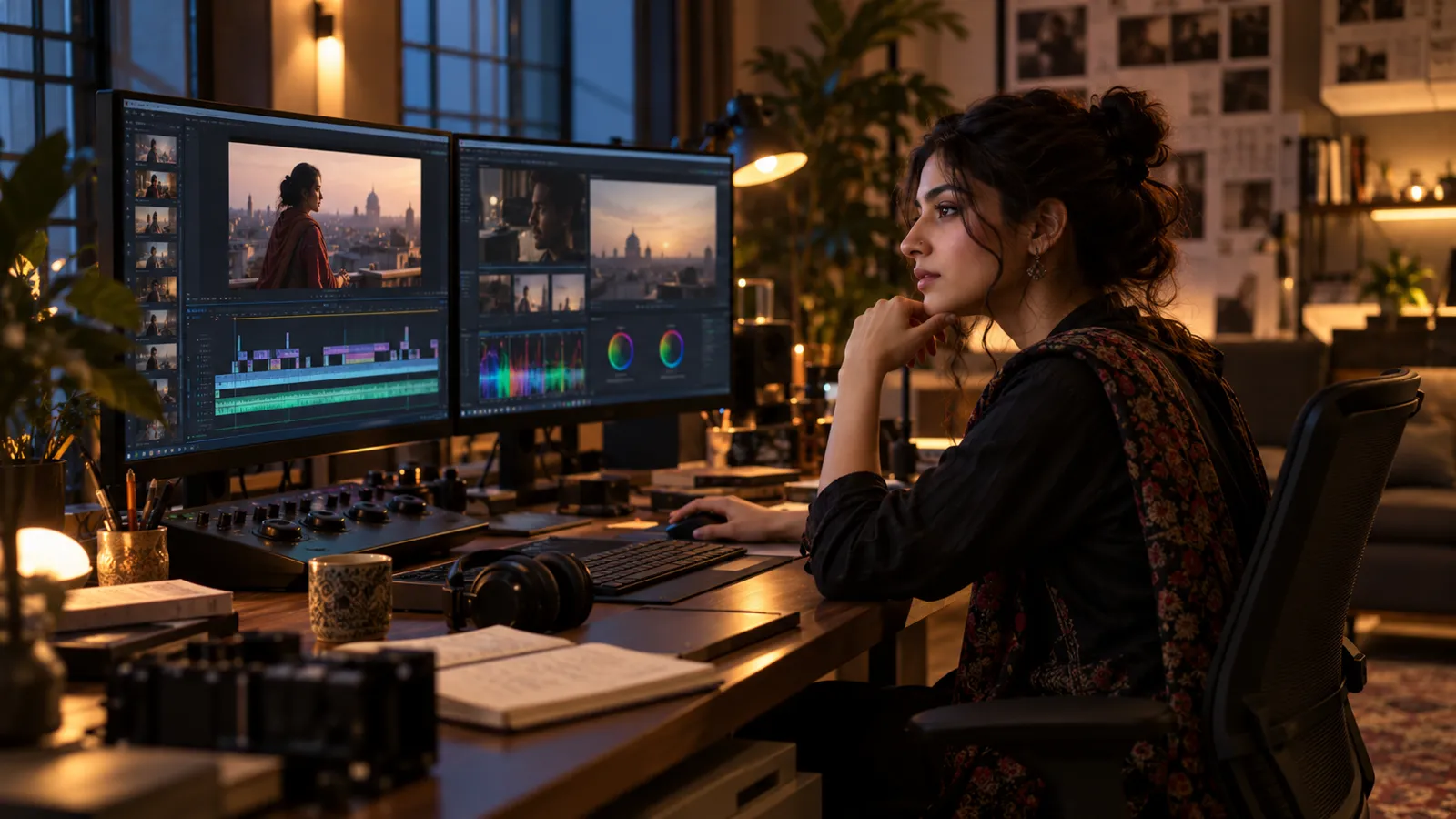
Coverage should give the editor meaningful choices while protecting essential story information and spatial clarity. Consider screen direction, eyelines and changes in emphasis. A storyboard or simple floor plan can expose gaps before shooting. The proposed L2H learning approach connects camera choices with later review, encouraging filmmakers to see how frames work together and how a sequence changes when the same material is arranged differently.
As a viewing exercise, sketch a simple sequence from a film you are studying and note when the camera changes distance. Ask what new information or emotional emphasis becomes available at each change rather than naming shots alone.