01 / The craft / Light
Read the available light first
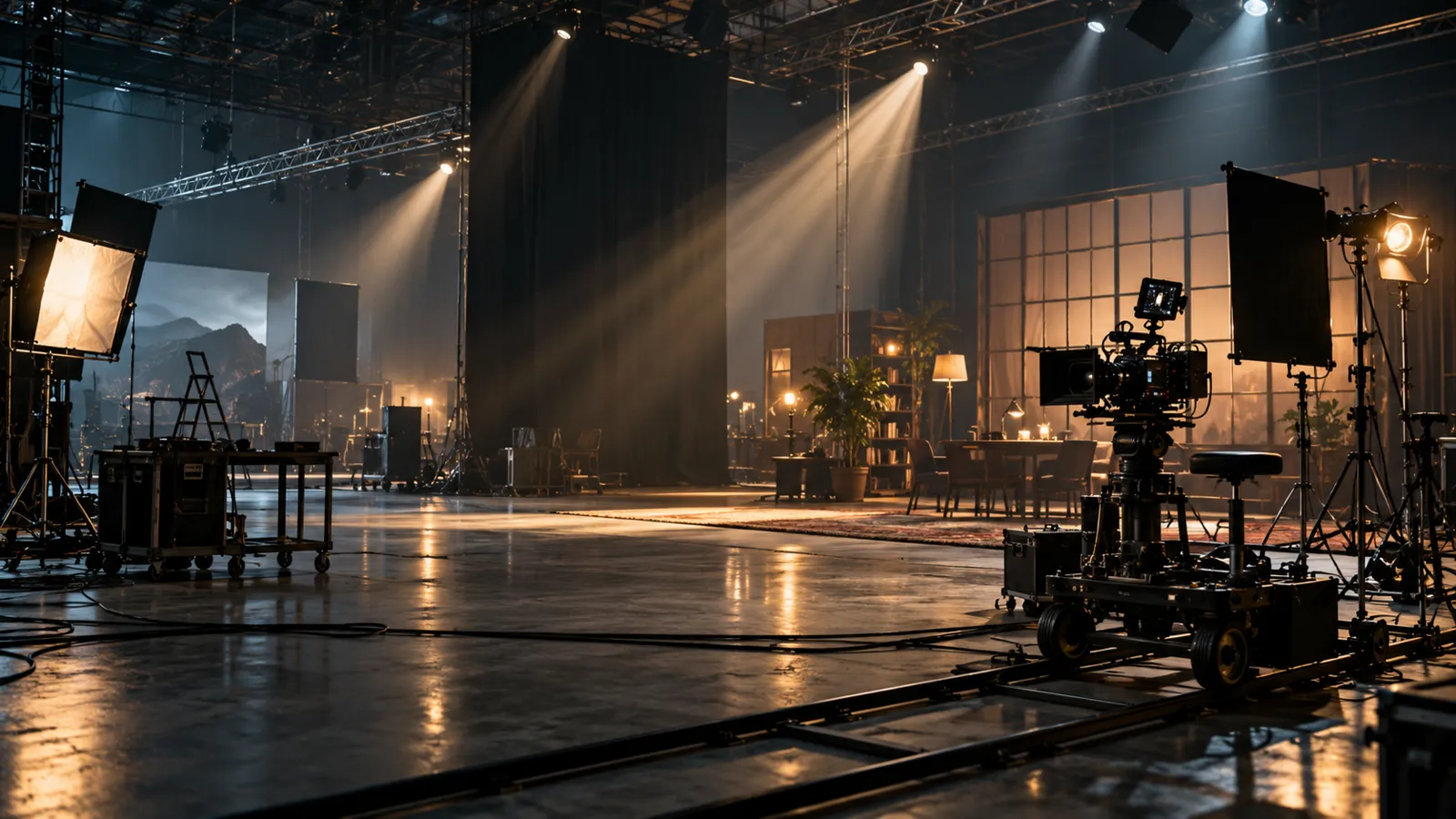
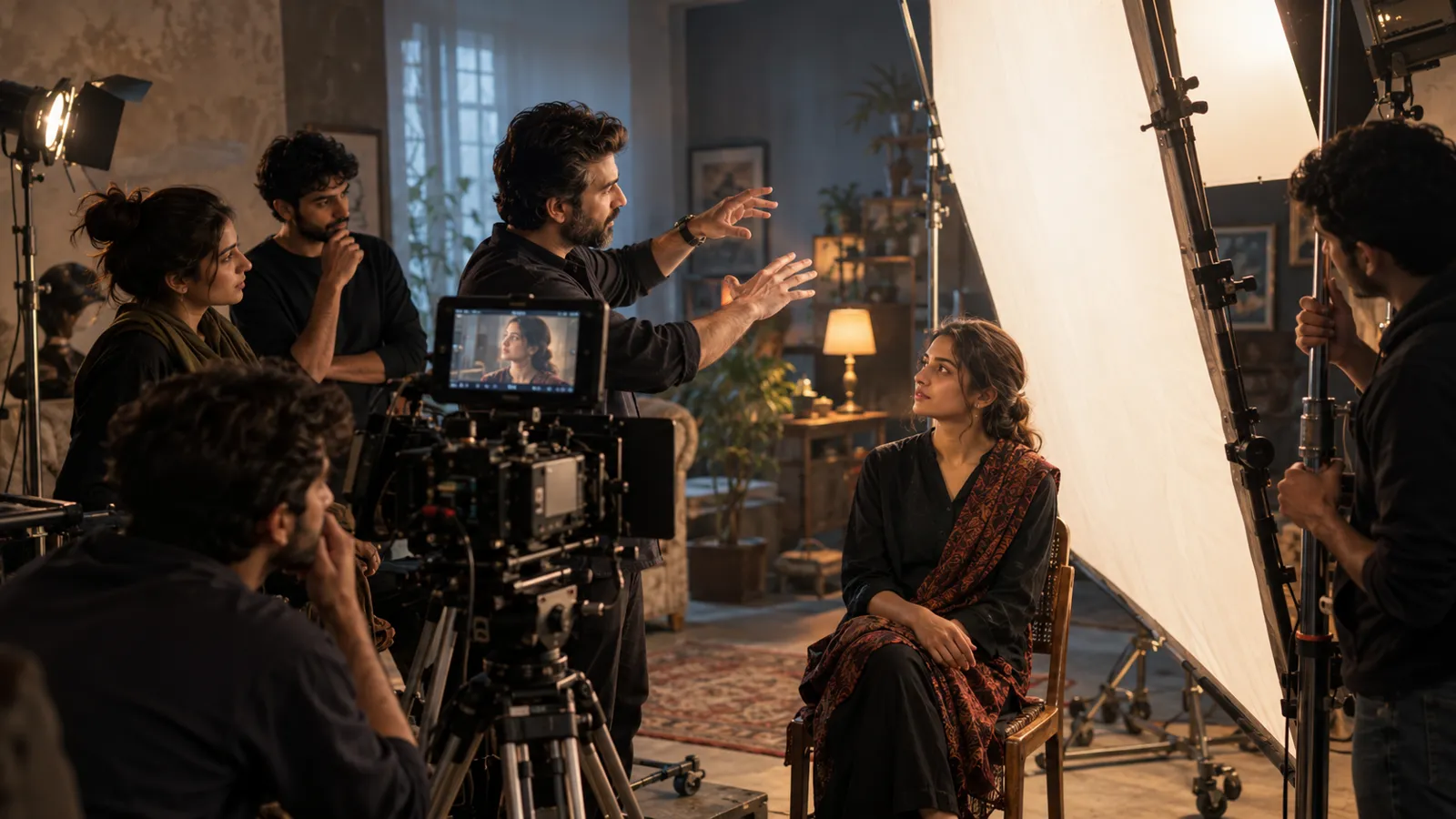
Before adding a fixture, observe where the existing light comes from and how it changes across the space. A window, doorway or practical lamp may suggest the scene’s visual logic. Consider the direction and softness of the light, the relationship between subject and background, and what remains in shadow. These observations create a basis for shaping the image with intention.
02 / The craft / Light
Change one relationship at a time
A useful exercise begins with a single source and a fixed composition. Move the source, alter its apparent size or introduce negative fill, then compare the result. The point is to recognize the effect of each decision rather than accumulate equipment. A lighting diagram and a few reference frames can document the setup and help collaborators understand how to repeat or adapt it.
03 / The craft / Light
Work within the production environment
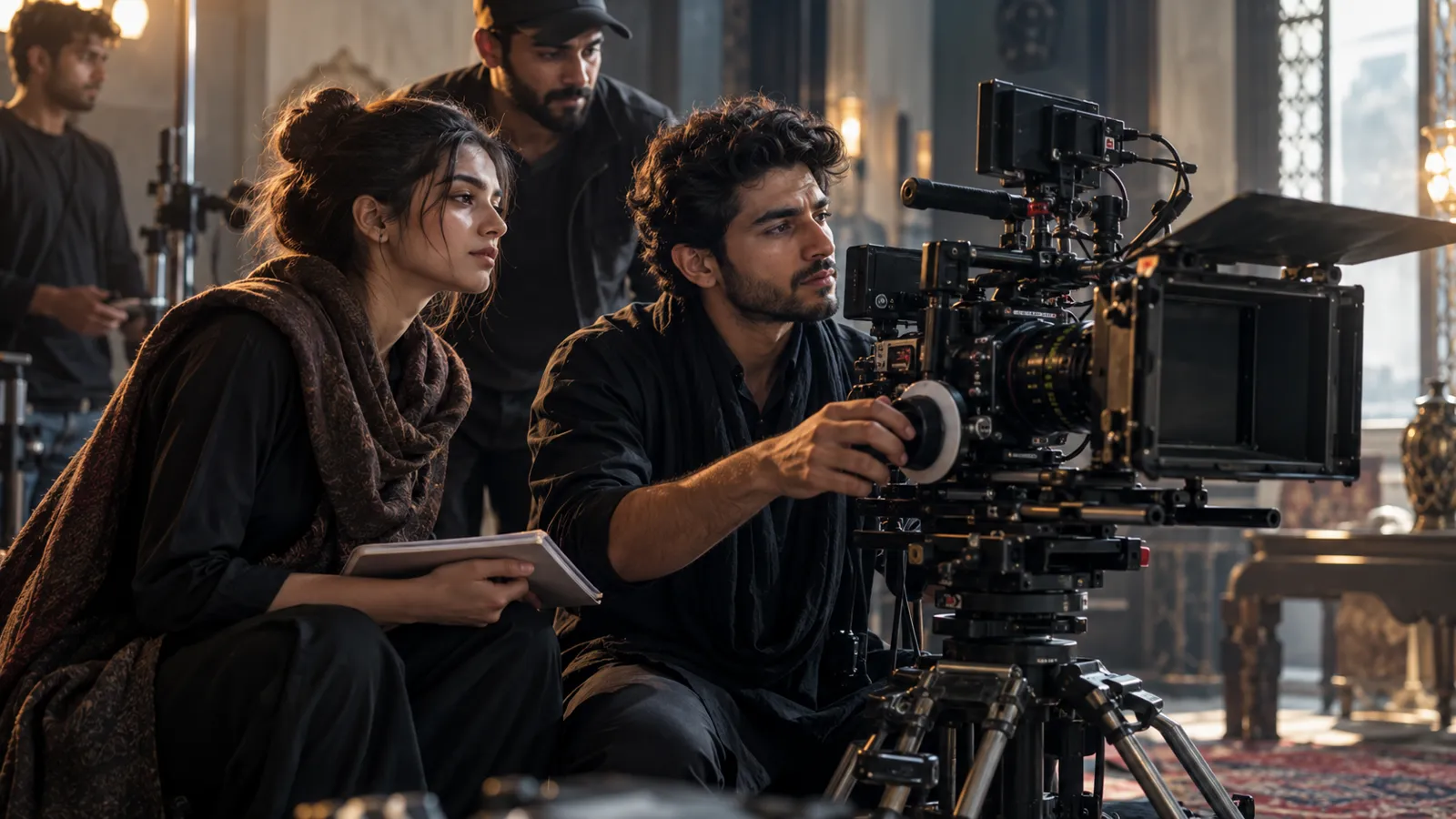
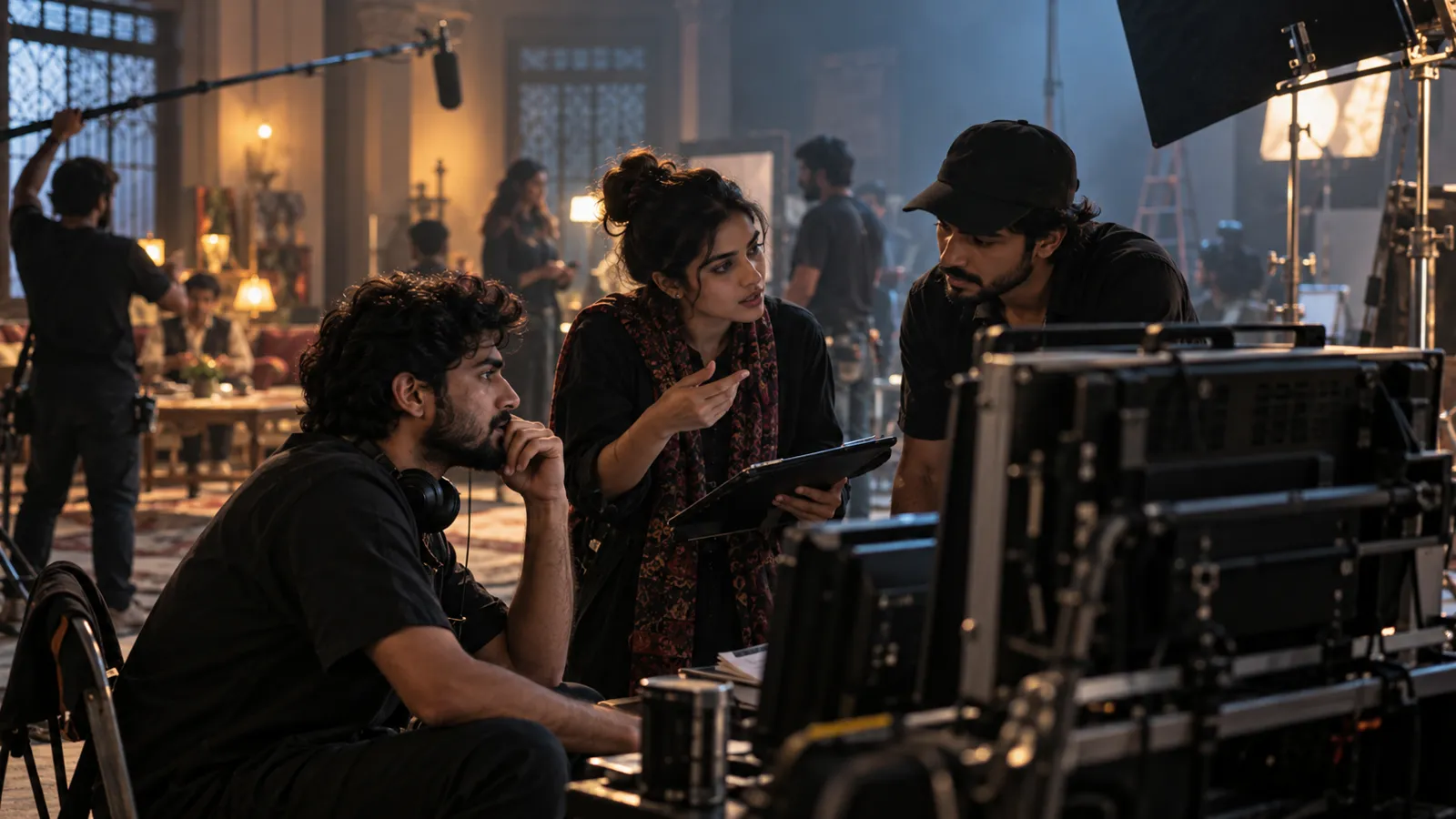
A lighting plan must consider the actor’s movement, camera positions, available time and the location’s limits. Equipment should be handled by people with appropriate training, especially where electricity, overhead rigging or heat is involved. L2H’s proposed workshops would define their practical resources and supervision for each activity. Learning begins with observation and controlled experimentation, developing toward choices that remain both expressive and workable throughout a scene.
Choose a familiar room and observe it at different times without changing the furniture. Notes about how the same face or surface responds to available light can provide a useful visual vocabulary before introducing additional equipment.