01 / The craft / Performance
Talk about what a character is doing
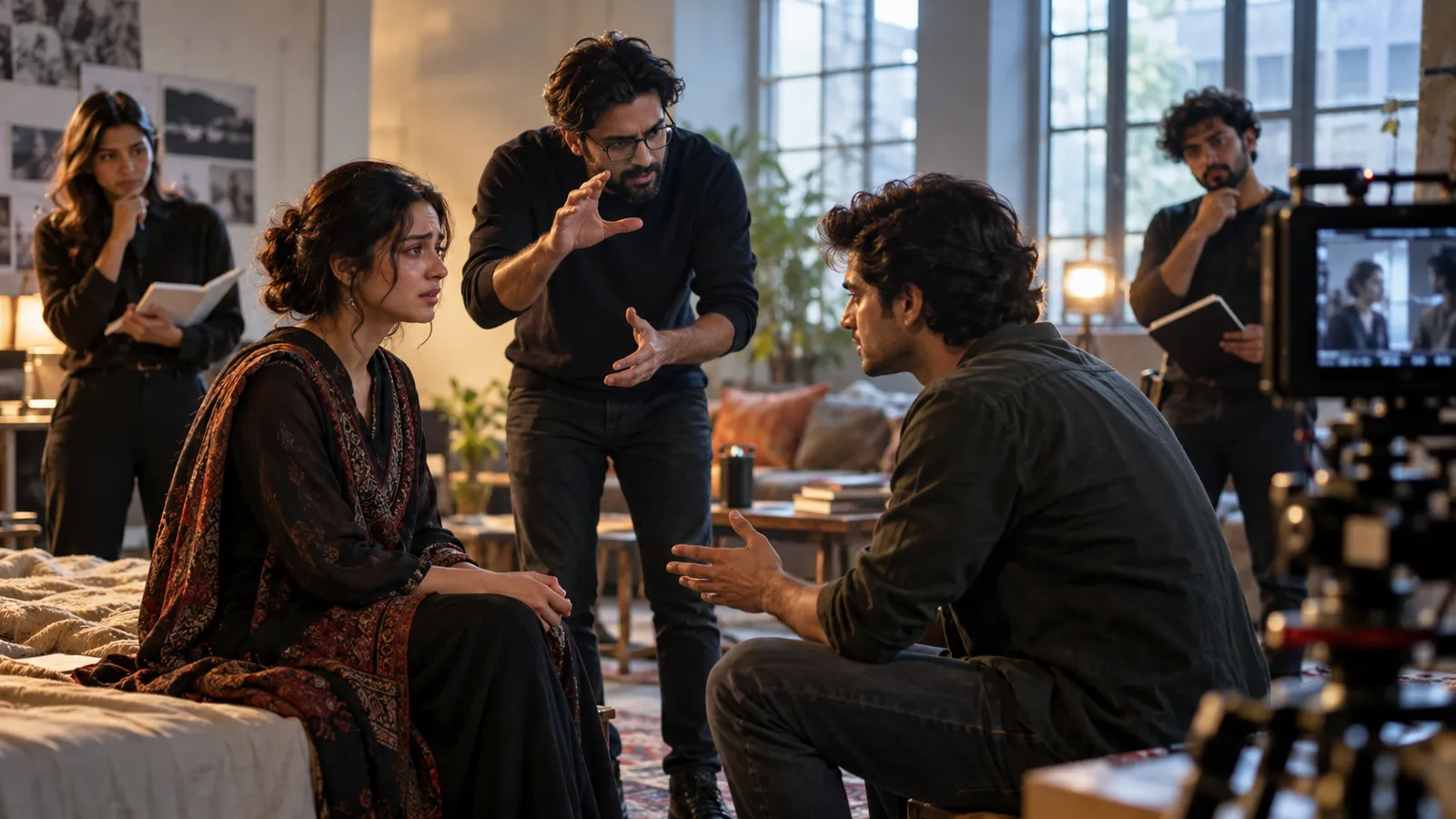
A playable direction gives an actor something to pursue. Instead of asking for a general emotion, discuss the character’s objective, the person they are trying to affect and the obstacle in the encounter. Different actions can produce different emotional results. This creates room for discovery while keeping the conversation connected to the scene rather than an abstract demand for greater intensity.
02 / The craft / Performance
Use rehearsal to discover relationships
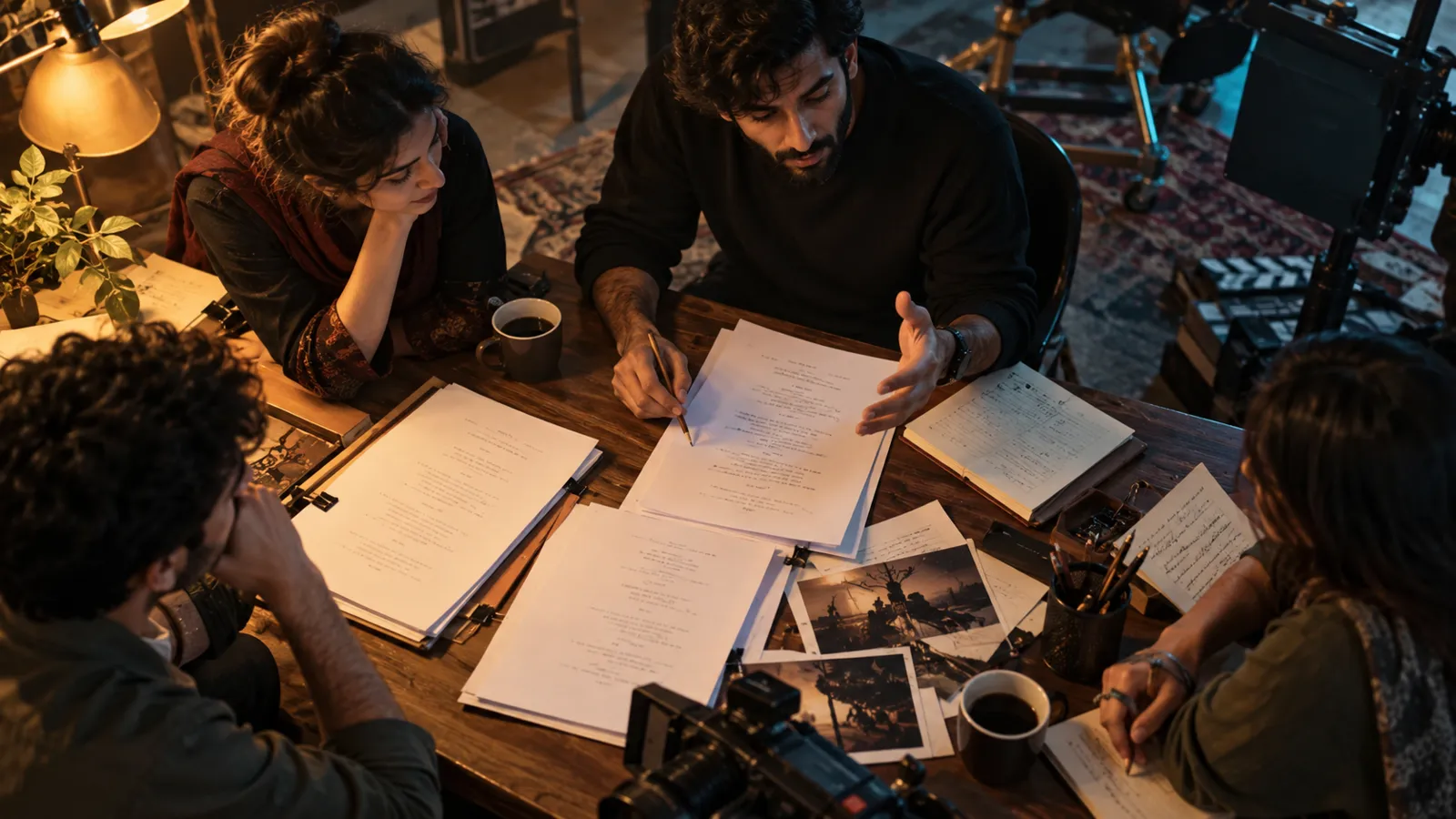
A reading can reveal the rhythm of dialogue, while a rehearsal in space can expose how movement changes an exchange. The director can observe when attention shifts and which actions feel motivated. Clear boundaries and respectful working conditions matter throughout. An exercise should never rely on pressuring a performer into disclosing personal experiences or exceeding an agreed physical or emotional limit.
03 / The craft / Performance
Give notes that can be used
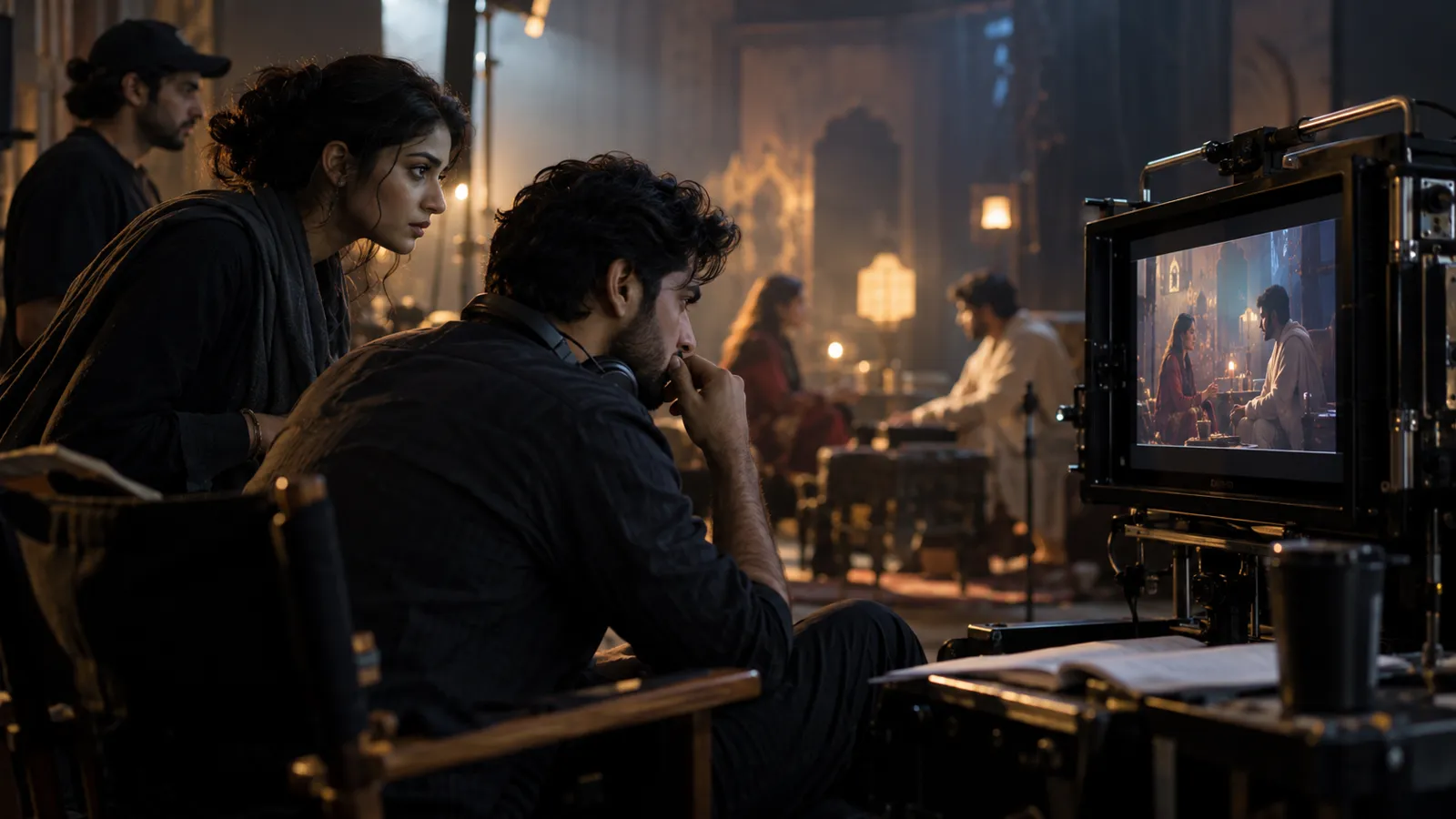
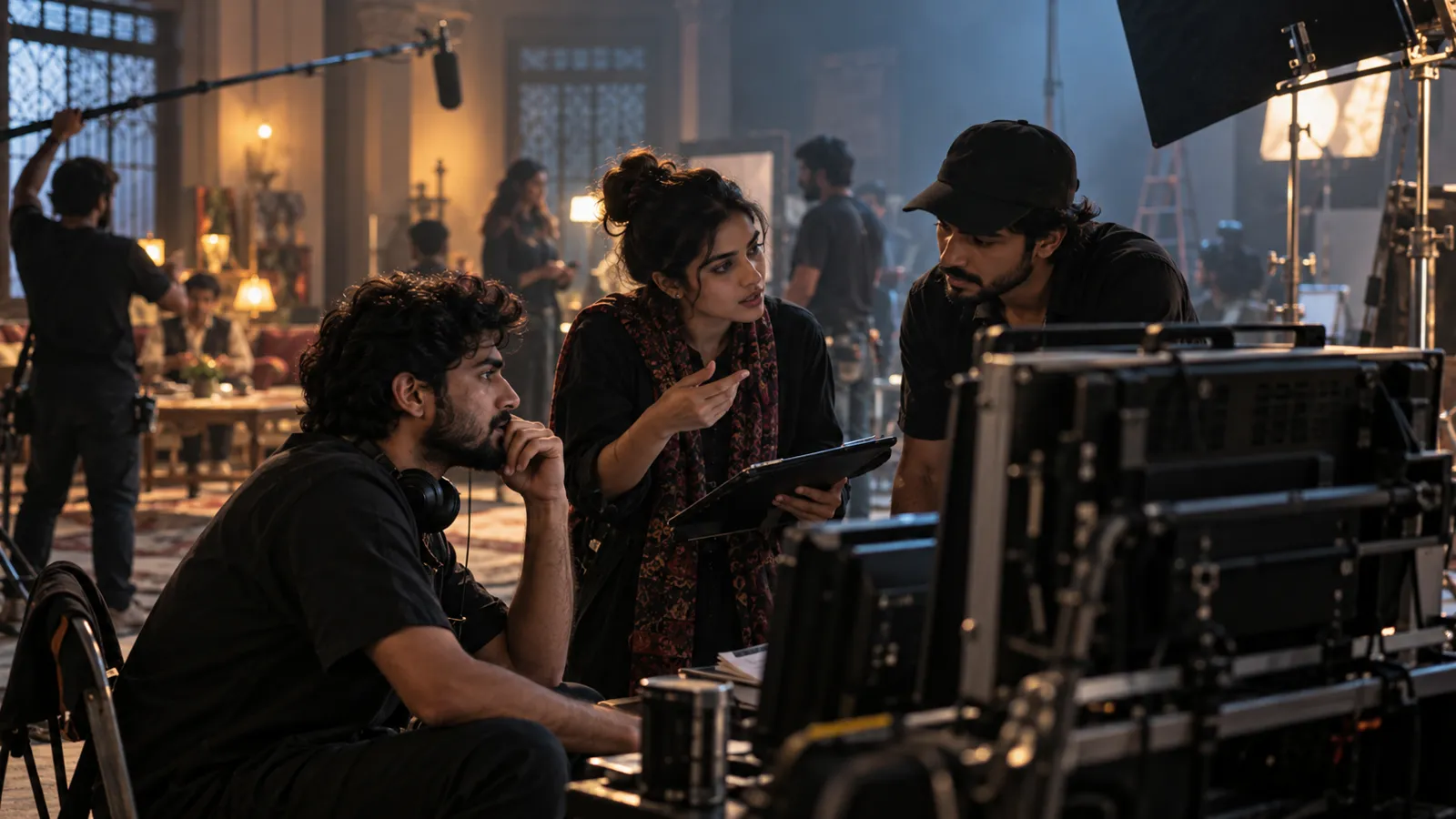
After a take, identify the change that matters most and communicate it without overwhelming the actor. Technical adjustments should be coordinated so performance does not become an afterthought. Reviewing alternative takes can show how a small shift changes the audience’s relationship with a character. Within L2H’s planned craft activities, performance work would require its own facilitators, format and participation arrangements, with collaboration and clarity central to the learning process.
A useful rehearsal note records the action attempted and the response it produced. This gives the director and actor a shared language for returning to a discovery without trying to reproduce a feeling through vague emotional instructions.