01 / The process / Production
Begin with a shared understanding
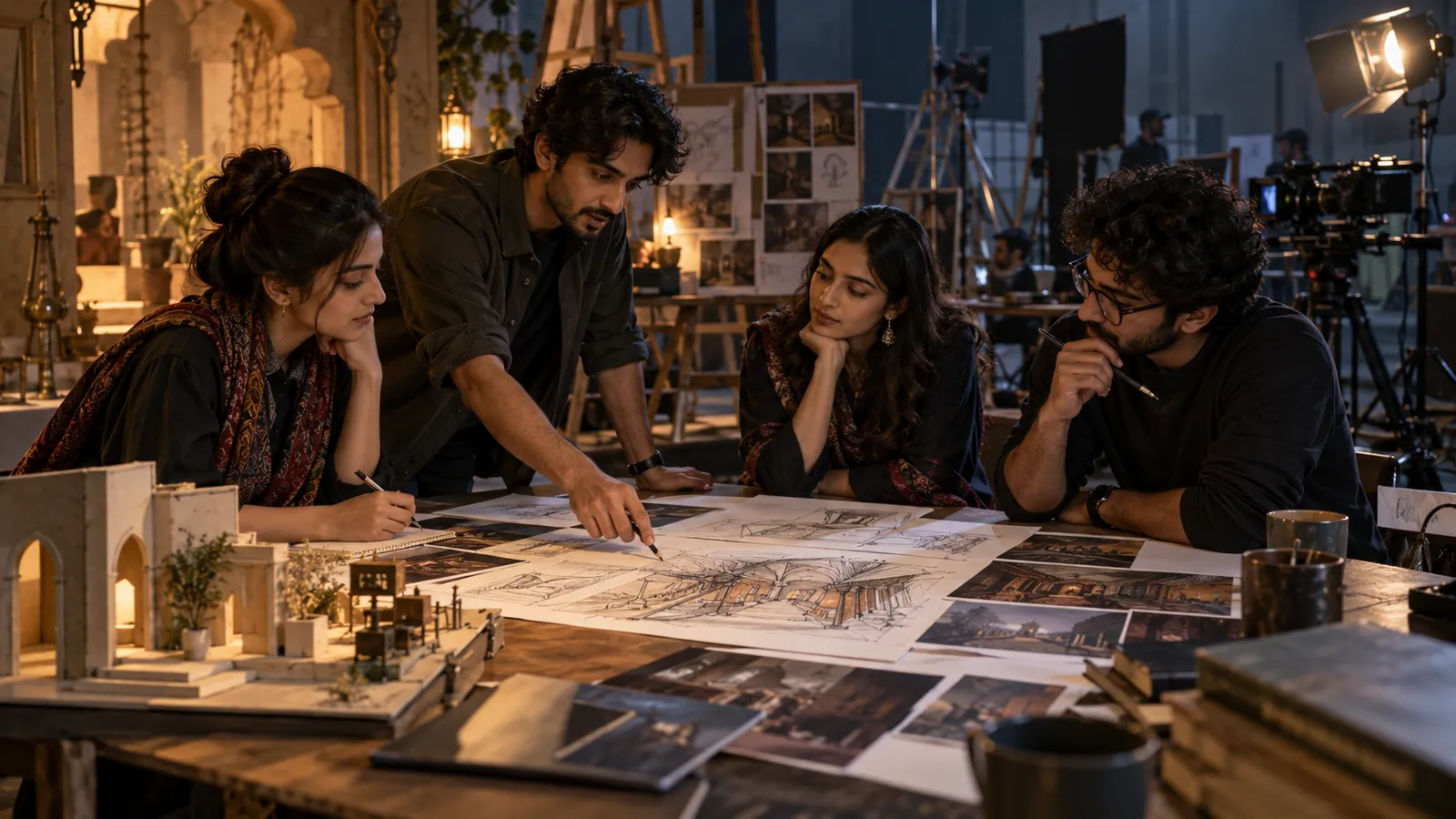
Everyone should know the scene being attempted, the immediate priorities and who is responsible for decisions. A short briefing can identify changes in blocking, practical constraints and the order of work. Clear communication reduces unnecessary resets and helps departments prepare without competing for the same space. Even a small team benefits when instructions and questions have a recognizable route.
02 / The process / Production
Protect attention during the take
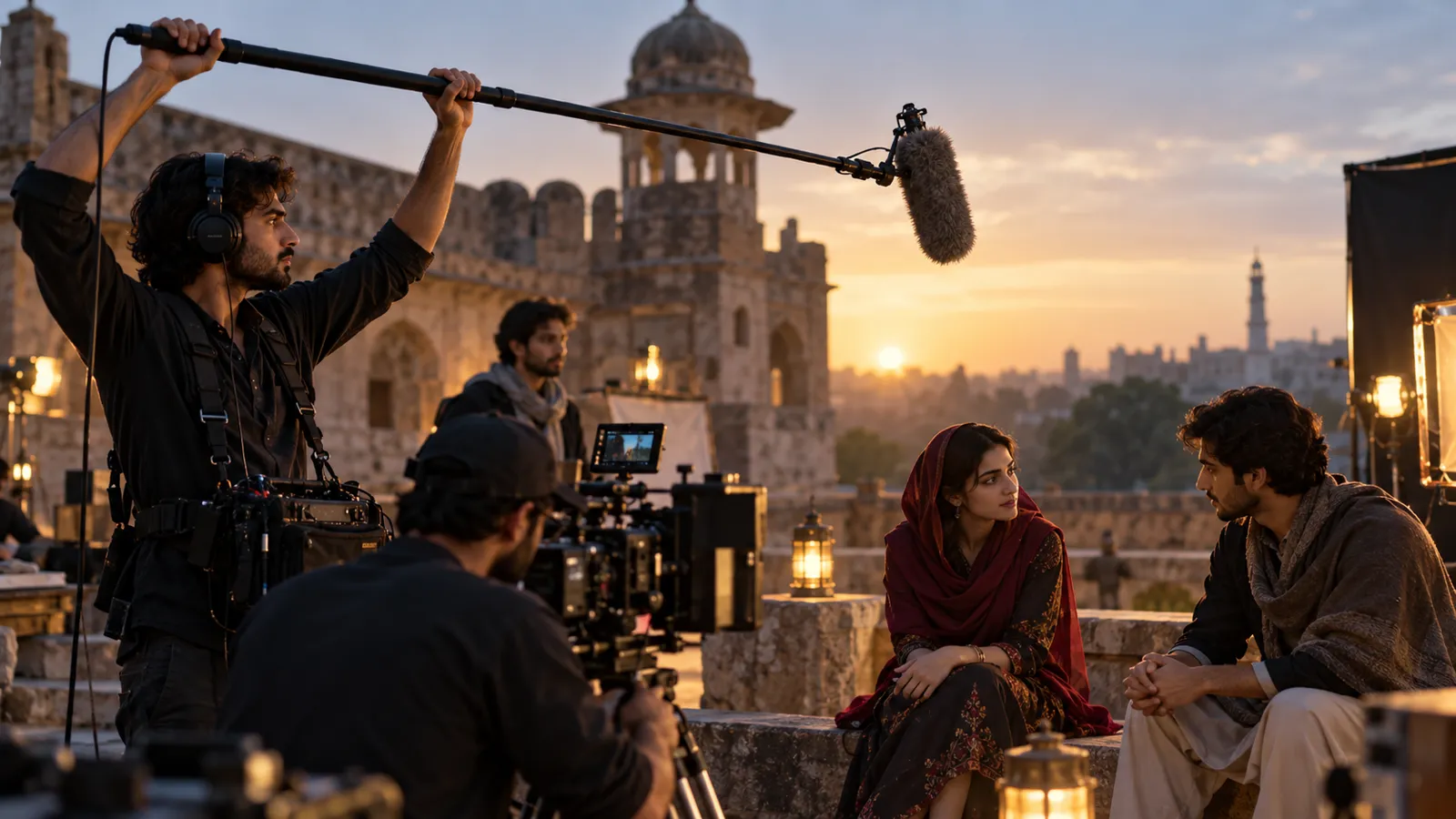
Performance, camera and sound need coordinated working conditions. Quiet, clear cues and respect for the agreed process help the team concentrate. Continuity notes and accurate take information preserve choices for the edit. Where the work involves equipment or actions requiring specialist competence, the appropriate trained people and arrangements must be in place; an educational exercise should remain within its actual resources and supervision.
03 / The process / Production
Adapt without losing the scene
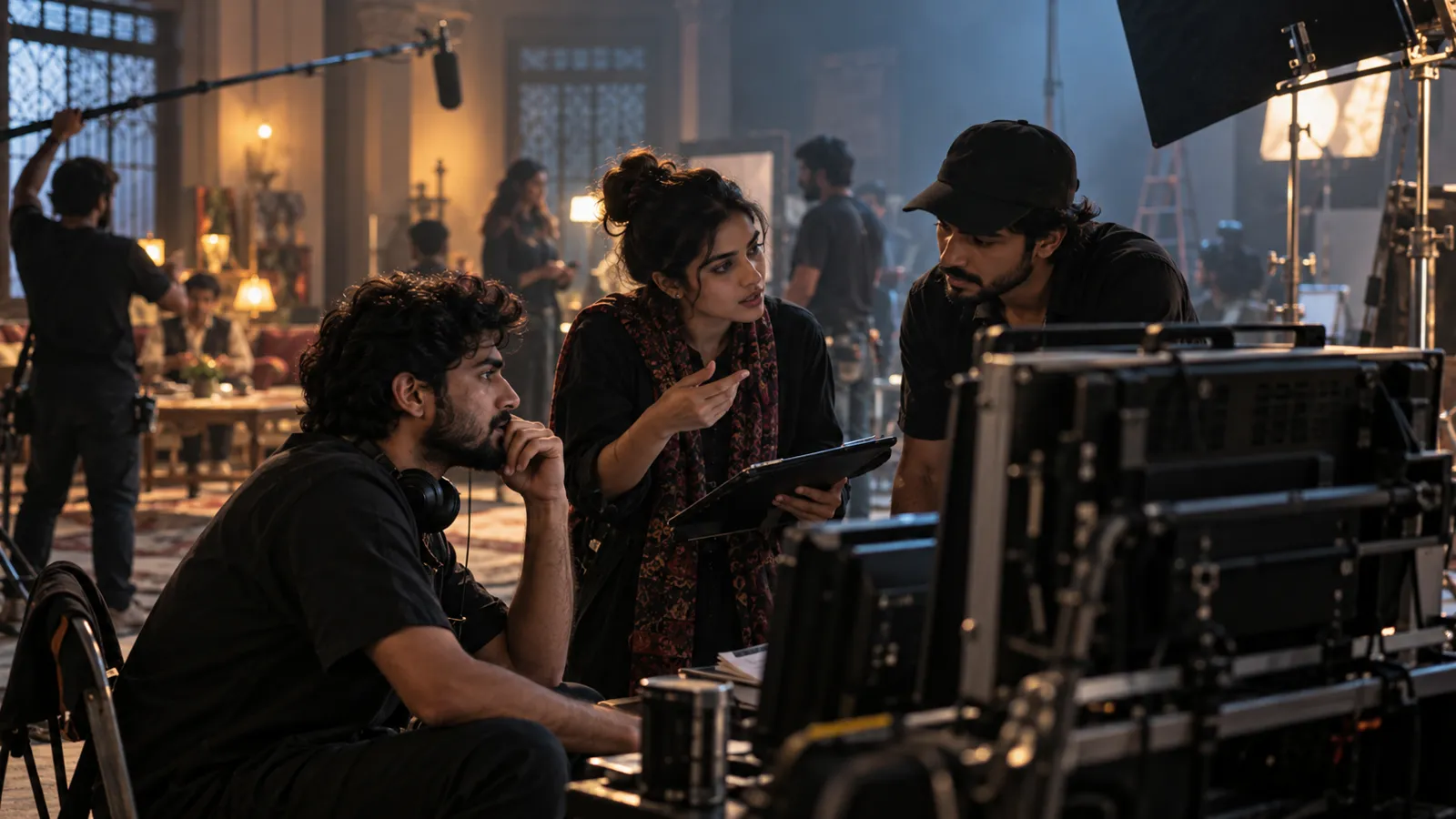
When time becomes limited, return to the scene’s essential dramatic information. Decide what can change and what must be captured, then communicate that choice to the team. A short review afterward can identify which preparation helped and which assumption caused difficulty. L2H’s planned practical activities would use this reflective approach to connect set experience with continued learning, rather than treating completion of a shoot as the only measure of progress.
A short end-of-day discussion can record missing material, continuity concerns and lessons for the next session. Keeping this conversation focused helps the team close the day with a shared understanding rather than several different memories of the plan.