01 / The craft / Direction
Describe the experience you want to create
A director’s statement becomes useful when it explains how the audience should encounter the story. Consider what they know, whose perspective they share and when that perspective changes. Rather than collecting attractive references alone, identify the dramatic reason for each one. A distant frame may suggest isolation, but the performance, sound and surrounding sequence determine how that distance is experienced.
02 / The craft / Direction
Prepare relationships, not only shots
Preparation includes working with actors, discussing priorities with department collaborators and identifying the moments a scene cannot lose. A shot list should support this thinking. A rehearsal can reveal that a different movement or pause carries the scene more truthfully than the original plan. Being prepared makes it easier to adapt deliberately instead of treating every change as a failure.
03 / The craft / Direction
Review the consequences of a decision
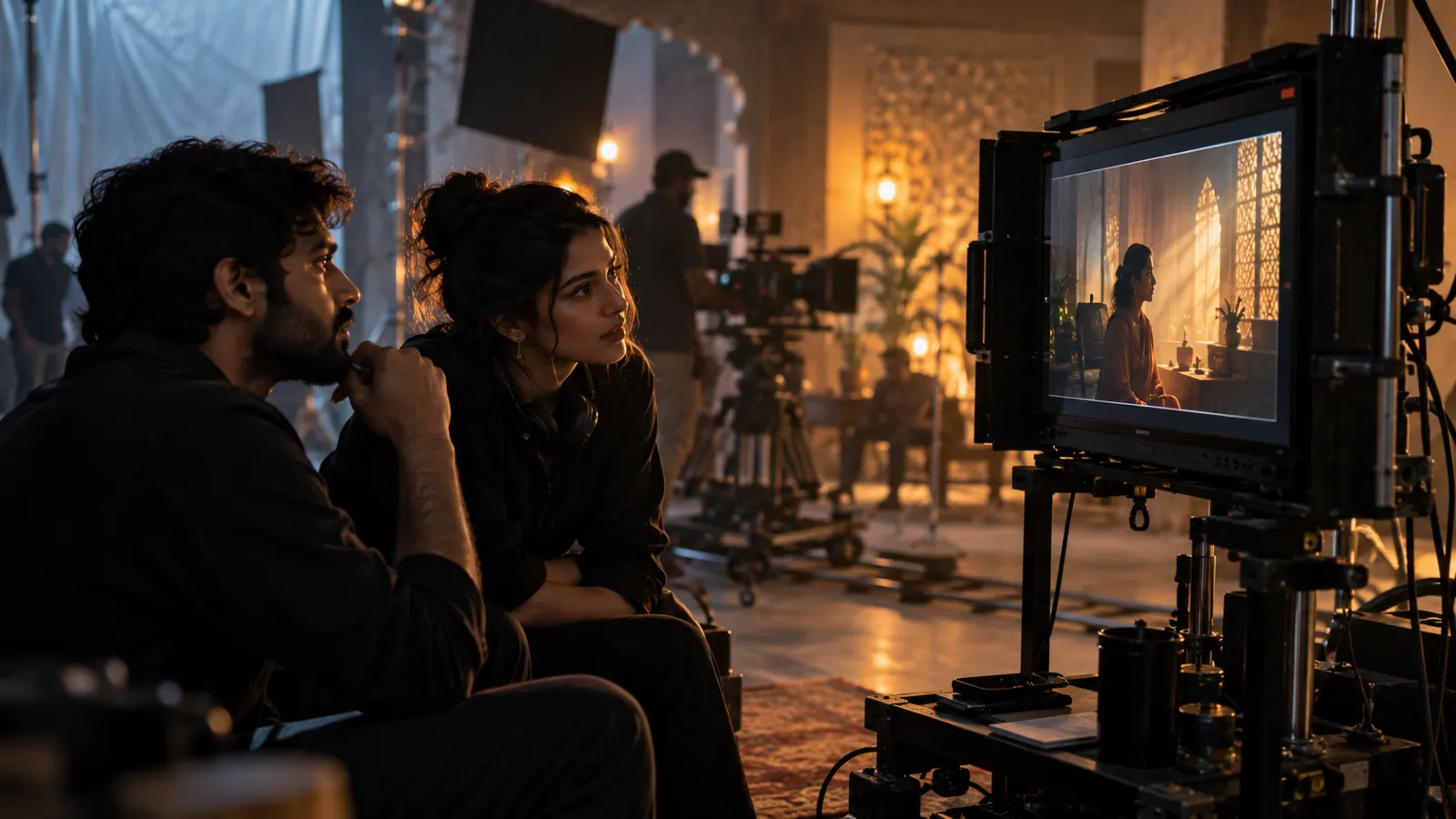
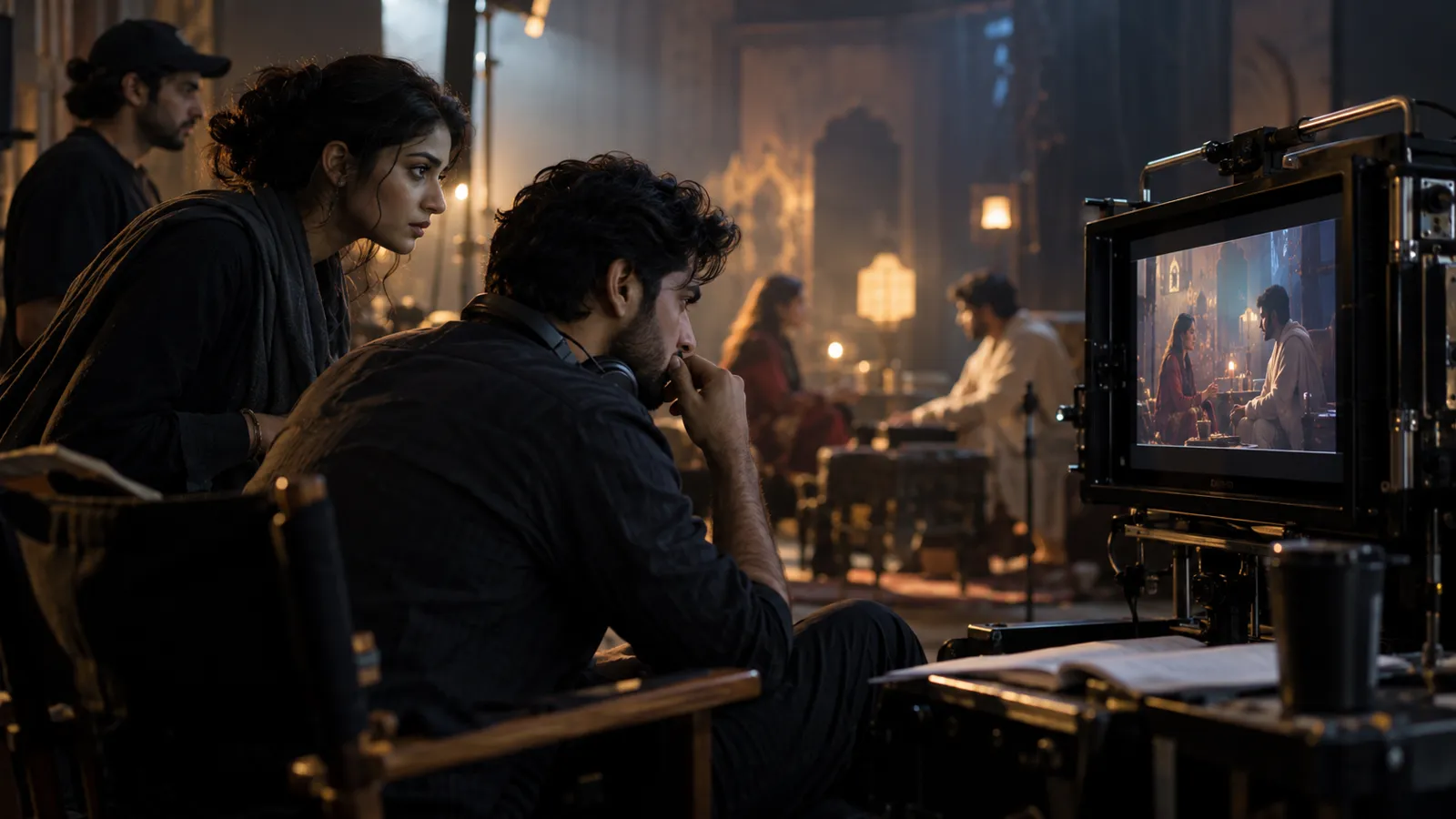
A directing exercise can film the same short scene from two contrasting perspectives, then compare what changes for the viewer. Does the edit privilege one character? Does a close-up arrive before or after a discovery? L2H’s planned craft activities would encourage this relationship between intention, experiment and review. The director’s development lies in recognizing what a choice actually communicates and taking responsibility for the resulting experience.
A short director’s brief can name the scene’s essential turn and the information the audience needs before it happens. Use that brief during review to judge whether the production choices supported the moment you intended.